- There are no more items in your cart
- Shipping
- Total $0.00
- ACTIONS - DISCOUNTS
- Beads from Minerals
- Cut stones - gemstones
- Alexandrite – a gemstone with variable color
- Amethyst cut stone
- Ametrine – a mineral with a combination of purple and yellow colors
- Aquamarine – a gemstone of blue hues
- Chrysoberyl – a gemstone of yellow-green hues
- Citrine
- Emerald – a green beryl gemstone
- Garnet
- Heliodor (golden beryl)
- Kunzite
- Mix other cut stones
- Moonstone – a gemstone with a pearly sheen
- Morganite
- Olivine (peridot)
- Opal
- Ruby
- Sapphire cut stones
- Blue sapphire – a gemstone from Sri Lanka
- Green sapphire – a gemstone from Sri Lanka
- Padparadscha sapphire – a rare gemstone from Sri Lanka
- Pink sapphire – a gemstone from Sri Lanka
- Star sapphire – a sapphire with a star on the surface
- White sapphire – a gemstone from Sri Lanka
- Yellow sapphire – a gemstone from Sri Lanka
- Sinhalite
- Smokyquartz
- Spinel gemstone
- Sunstone
- Tanzanite – a rare gemstone
- Topaz
- Tourmaline
- Zircon
- Exclusive collection crystals and minerals
- Natural raw stones and minerals
- Afghanite
- Agate
- Amber
- Amethyst
- Ametrine
- Andean opal - blue
- Andean opal - pink
- Angelite
- Apatit
- APOPHYLITE, STILBITE, ZEOLITE
- Aquamarine
- Aragonite
- Astrophyllite
- Auralite
- Axinite
- Azurite
- Baryte
- Brazilianite
- Calcite
- Carneol
- Cavansite
- Celestine
- Chalcedony
- Charoite
- Chromdiopside
- Chrysocolla
- CHRYSOCOLLA - MALACHITE - AZURITE
- Chrysopras
- Citrine
- Clinoatacamite
- Cobaltocalcite
- Colombianite
- Copper
- Cyanite
- Danburite
- Diopside
- Dioptase
- Dolomite
- Dumortierite
- Emerald
- Eudialyte
- Fluorite
- Garnet
- Grape chalcedony
- Hackmanite
- Haüyn/Hauyne green (sodalite)
- Haüyn/hauynite blue (sodalite)
- Heliodor (golden beryl)
- Hemimorphite
- Hidennite
- Iolite / cordierite
- Jade
- Jasper
- K2 - Azurite in granite
- Kunzite
- Labradorite
- Lapis lazuli/lazurite
- Larimar
- Lemurian quartz
- Libyan desert glass
- Lodolite (quartz crystal with inclusions)
- Malachite
- Meteorite
- Moldavite
- Moonstone/adularia
- Moqui marbles
- Morganite
- Natural mussels (freshwater mussels)
- Nefrite
- Nuummite
- Obsidian
- Olivine (peridote)
- Opal - dendritic (merlinite)
- Opal Ethiopian
- Pentagonite rare blue mineral
- Petalite
- Phenacite/Phenakite
- Phosphosiderite
- Pietersite
- Pollucite
- Prehnite
- Pyrite
- Quantum quattro
- Quartz - cut or polished
- Quartz/crystal - raw
- Rhodochrosite
- Rhodonite
- Roselite
- Rosequartz
- Rubelit/red tourmaline
- Ruby
- Ruby in zoisite
- Sagenit (Venus hair)
- Sapphire
- Scolecite
- Scoryl
- Selenite
- Seraphinite
- Shungite
- Skapolite
- Smoky quartz
- Smokyquartz with rutile
- Sphalerite
- Spinel
- Sugilite
- Sunstone
- Sunstone with iolite
- Superseven (Super 7)
- Tanzanite gemstone
- Tektite
- Tektite Agni Manitite
- Thulit
- Tiger´s eye
- Titanite/sphene
- Topaz
- Tourmaline
- Triplite
- Tugtupit
- Turquoise
- Vanadinite
- Vesuvianite (Idokras)
- Zircon
- Original handmade mineral jewelry
- Mineral beads bracelets
- Other jewelry
- Silver and gemstone jewelry
- Abalone/Paua shell
- Aquamarine pendant
- Astrophyllite pendant
- Azurite pendant
- Azurite-malachite-chrysocol
- Black tourmaline (scoryl)
- Cavansite
- Charoite pendant
- Chrysoprase pendant
- Cobaltocalcite pendants
- Dendritic opal
- Ethiopian opal pendant
- Eudialyte pendant
- Kunzite and hiddenite
- Labradorite pendant
- Larimar jewelry
- Malachite jewelry
- Moldavite
- Moonstone jewelry
- Morganite jewelry
- Nuummite
- Obsidian pendants
- Olivine/Peridot
- Pietersite jewelry
- Quantum Quattro jewelry
- Rhodochrosite
- Ruby
- Sagenit
- Seraphinite jewelry
- Sugilite
- Sunstone jewelry
- Turquoise jewelry
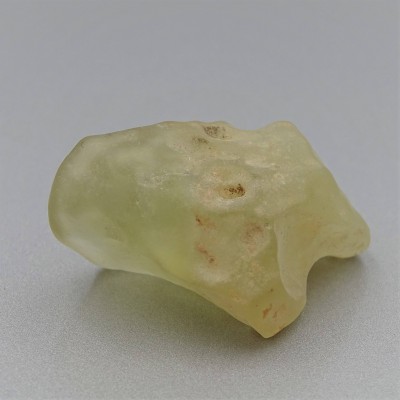
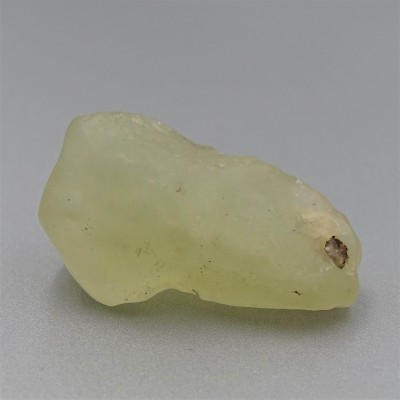
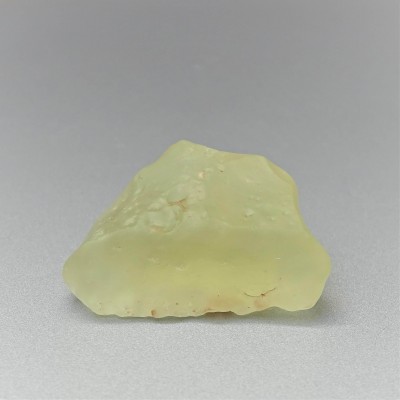
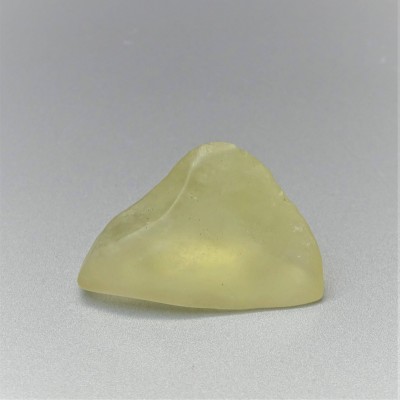
Libyan desert glass
Libyan desert glass is considered a tectite that probably formed after the impact of a large meteorite or its explosion in close proximity to the earth. It occurs in the eastern Sahara, in the deserts of eastern Libya and western Egypt. Desert glass fragments can be found in areas of tens of square kilometers. However, the origin of desert glass is still uncertain. It is estimated that glass from the Libyan Desert originated about 29 million years ago. Pieces of various sizes can be found mainly on the surface of the pebble desert called serir among the tall sand dunes. The surface of the glass is abraded by wind-blown sand, which causes the glass to have a matte, slightly pitted surface. Probably the most famous piece of Libyan glass is the scarab, which adorns the necklace of Pharaoh Tutankhamun.