- New
|
COOKIES SETTINGS |
Accept all cookies Personalise |
| Accept selected cookies |

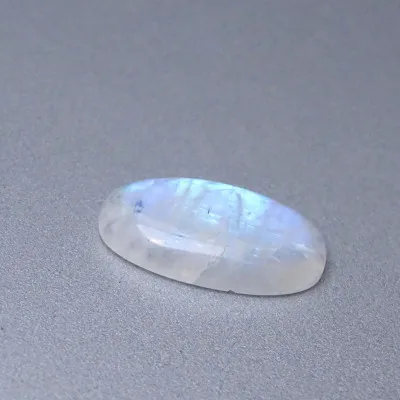
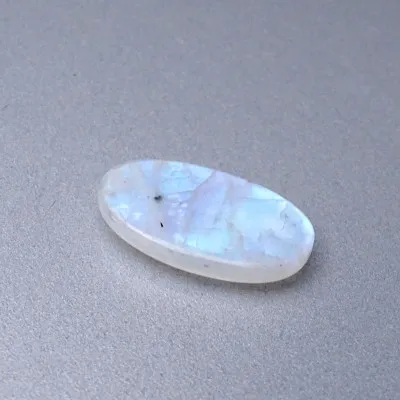
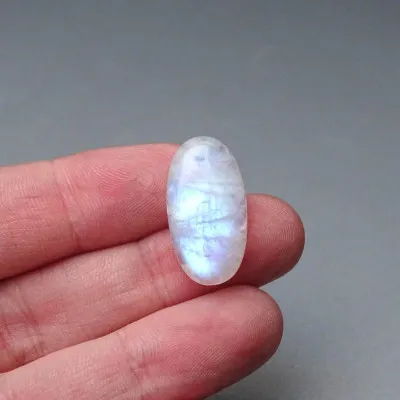
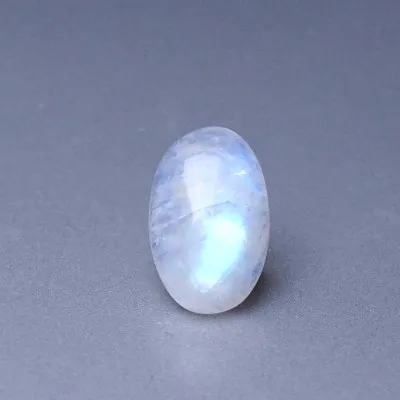
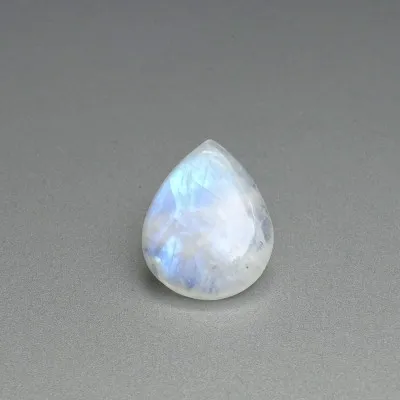
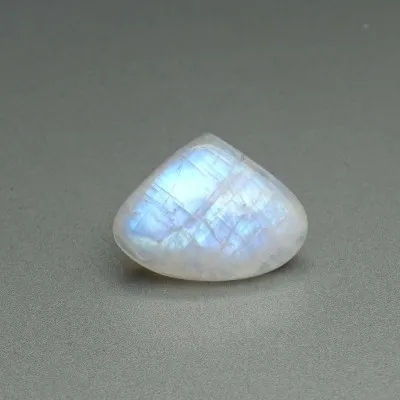
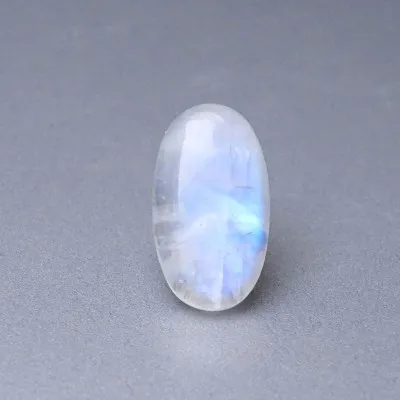
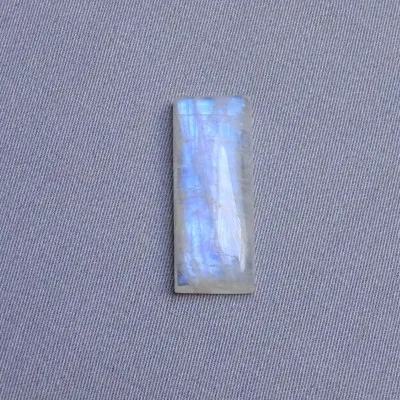
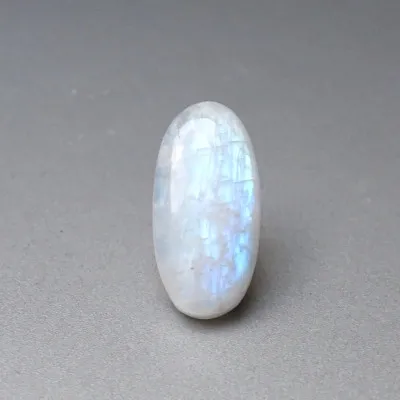
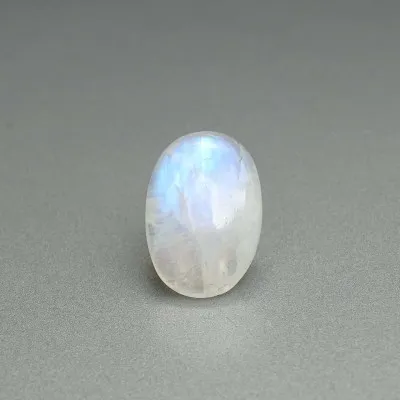
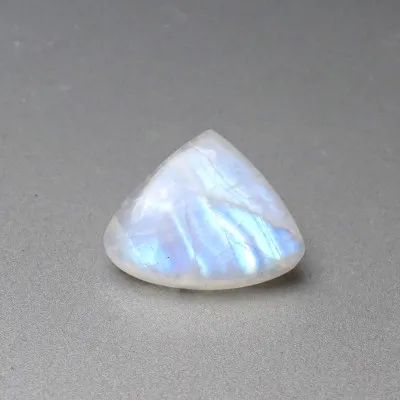
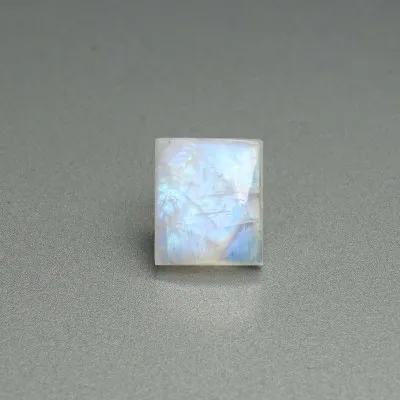
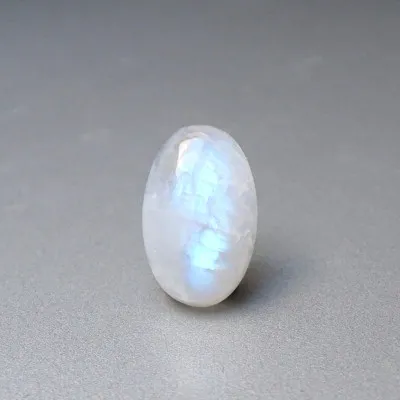
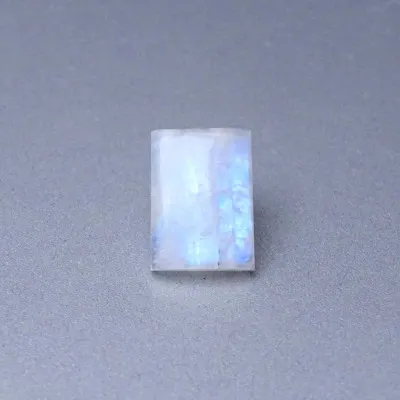
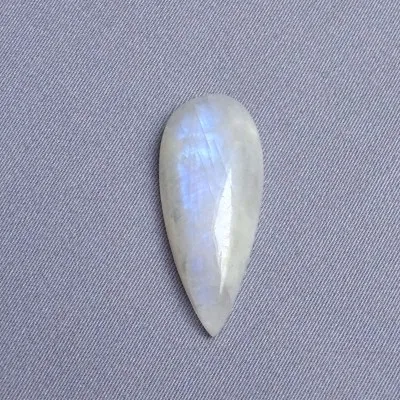
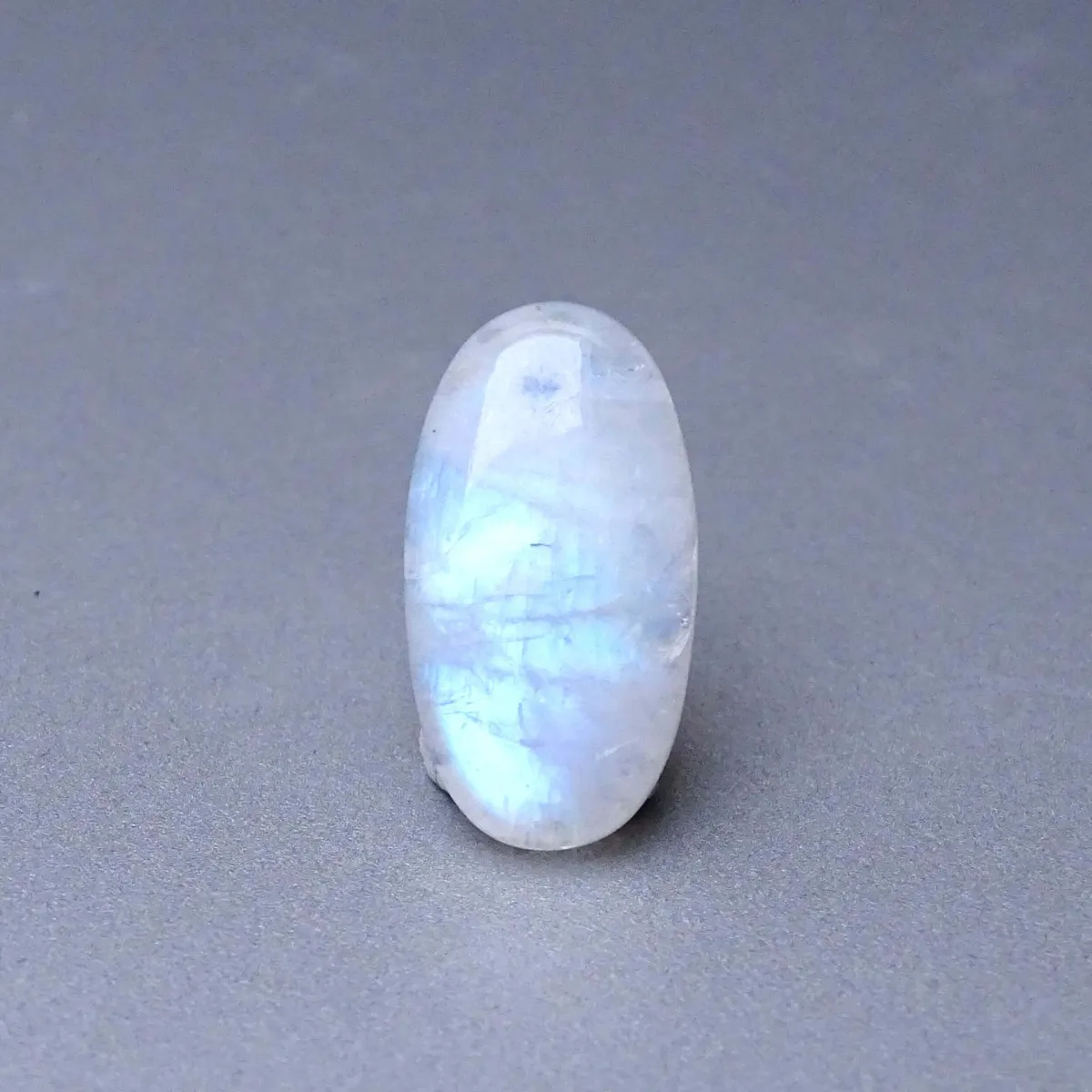
Magical moonstone (adular) – top quality cabochon
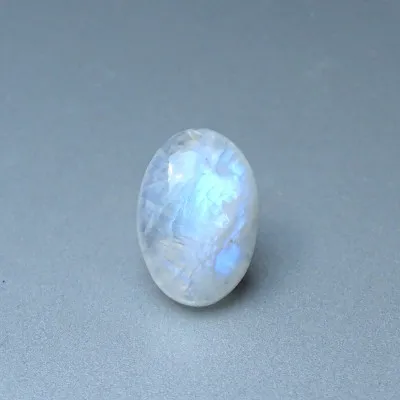
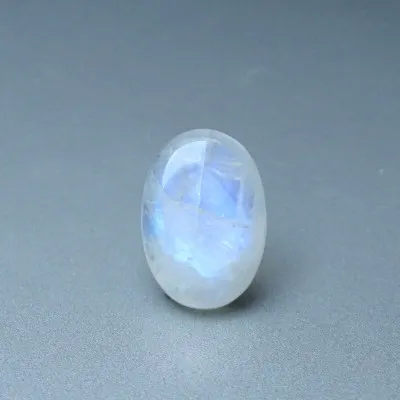
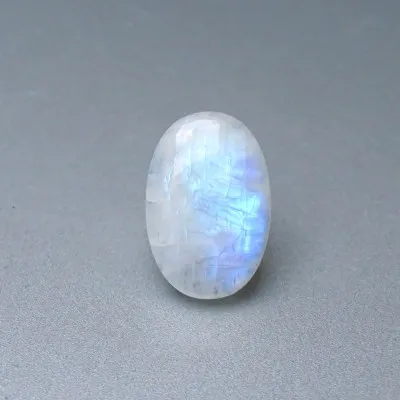
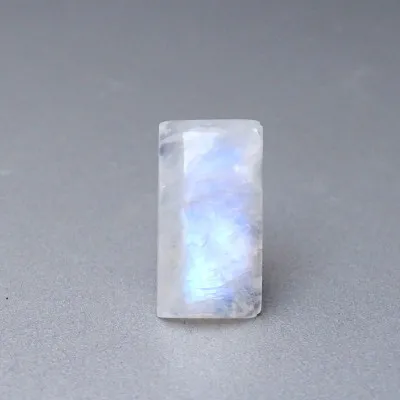
Elegant cabochon made of natural moonstone with a distinctive blue sheen (adularescence). The stone has a soft, silky sheen that changes depending on the light. Ideal for jewelry making or as a collection mineral. Discover the magic of moonstone.
Weight: 2.6 g
Stone size: 2.30 x 1.20 x 0.50 cm
Beautiful blue - pearly adularescence
Country of origin: India
You are purchasing the cabochon shown in the photo!
Moonstone, also known as Adular, is among the most fascinating natural gemstones belonging to the feldspar group. Its unmistakable beauty lies in its delicate pearly lustre and extraordinary optical phenomenon, in which blue, silvery or white light appears to move beneath the surface of the stone, resembling mysterious moonlight.
This remarkable optical effect is called adularescence and is the main reason why high-quality Moonstones have been highly sought after in jewelry making and among gemstone collectors for centuries.
Natural Moonstone may be colourless, milky white, cream, grey, peach or delicately pink. Particularly prized are translucent to almost transparent specimens displaying a pronounced blue shimmer that seems to move gently beneath the surface as the gemstone is turned.
The most remarkable characteristic of Moonstone is its adularescence – a unique optical phenomenon caused by the scattering and interference of light within its internal crystal structure.
Moonstone contains extremely fine alternating layers of different feldspar phases, particularly orthoclase and albite. When light encounters these microscopic structures, it is scattered, producing the characteristic soft luminous shimmer.
As the gemstone is rotated, a blue or silvery glow may appear to move deep inside the stone. This fascinating effect resembles moonlight passing through a delicate veil of mist, giving the gemstone an exceptionally elegant appearance.
The most desirable Moonstones display intense, even and clearly visible blue adularescence, ideally combined with high translucency and minimal distracting internal inclusions.
Adular is a traditional name for a particular form of potassium feldspar, especially orthoclase, which belongs to the most widespread rock-forming minerals in the Earth's crust.
From a chemical perspective, orthoclase has the composition KAlSi₃O₈ and belongs to the aluminosilicate minerals. In classical Moonstone, the formation of its characteristic optical effect is closely related to an extremely fine internal structure consisting of layers of potassium-rich and sodium-rich feldspar phases.
During prolonged cooling and geological development, these feldspar phases may separate into exceptionally fine structures. Their arrangement significantly influences the way incoming light is scattered within the gemstone.
Moonstones form in various geological environments, particularly in association with granitic pegmatites and certain igneous and metamorphic rocks. The quality of the resulting gemstone depends on its mineralogical composition, internal structure, translucency and the character of its adularescence.
The name Adular originates from the Adula Alps in Switzerland, where characteristic crystals of this feldspar variety were historically described.
Over time, the name became established in mineralogical and gemological terminology. Particularly beautiful Moonstones with intense optical effects are now associated mainly with deposits in Sri Lanka and other important regions around the world.
Moonstone is found on several continents. Individual localities produce gemstones with different colours, degrees of translucency and characteristic optical effects.
Sri Lanka: One of the world's most famous sources of high-quality Moonstone. Particularly prized are translucent to almost transparent specimens displaying beautiful blue adularescence. Sri Lankan Moonstones hold an important position in the international gemstone market.
India: An important source of Moonstones in white, cream, peach and other delicate shades. Indian specimens are especially popular for the production of jewelry, cabochons and decorative objects.
Tanzania: An East African country renowned for its diverse gemstone deposits, including feldspars with attractive optical properties. Some stones from this region display interesting colours and light effects.
Madagascar: One of the significant regions for gemstone-quality feldspars. Madagascar produces Moonstones and related feldspars in various colours, including material with blue and rainbow-like optical effects.
Myanmar (Burma): A historically important gemstone-producing region where high-quality feldspars suitable for jewelry making can also be found.
Switzerland: A historically important locality associated with the name Adular. Crystalline feldspar specimens from Alpine regions are particularly significant from mineralogical and collector perspectives.
In the gemstone trade, we may encounter the names Moonstone, Adular and Rainbow Moonstone. Although these gemstones may display similar optical effects, their mineralogical classification is not always identical.
Classical Moonstone (Adular): Traditionally associated with potassium feldspars, particularly orthoclase, and characteristic white, silvery or blue adularescence. Among the most attractive examples are translucent stones displaying a distinct blue shimmer.
Rainbow Moonstone: This trade name is frequently used for whitish to translucent labradorite, a feldspar belonging to the plagioclase group. Its optical effects may produce blue, green, golden and other coloured reflections.
Gemological note: Both materials belong to the feldspar group, but they do not necessarily represent the same mineral species. Accurate identification of a particular gemstone depends on its mineralogical properties and, when necessary, gemological testing.
Moonstone has an exceptionally long tradition in jewelry making and cultural history. Its delicate optical effect fascinated people even in ancient times, when gemstones were often associated with natural forces, deities and the symbolism of celestial bodies.
In ancient traditions, Moonstone was associated with the Moon, its light and its changing lunar phases. In certain Greek and Roman beliefs, it was connected with lunar deities and legends about stones formed from moonbeams.
Moonstone also holds a special place in Indian cultural traditions among gemstones with symbolic significance. Its distinctive luminous shimmer inspired numerous legends and traditional interpretations.
According to traditional legends, Moonstone was believed to have formed from solidified rays of moonlight. Its changing lustre symbolised the mystery of the night sky, the cyclical transformations of nature and humanity's connection with celestial rhythms.
Although these are historical and cultural beliefs rather than scientific explanations of the gemstone's formation, this symbolism continues to give Moonstone its exceptional romantic and aesthetic appeal.
In traditional symbolism, Moonstone is primarily associated with intuition, inner harmony, sensitivity, feminine energy and life's transformations. Its delicate colours and shifting light are often regarded as symbols of calmness, elegance and natural balance.
In modern spirituality and lithotherapy traditions, Moonstone is frequently associated with personal development, self-discovery and emotional harmony. These meanings represent cultural and spiritual interpretations, not scientifically proven healing properties of the mineral.
Moonstone is among the popular natural gemstones used to create necklaces, rings, earrings, bracelets, silver pendants and unique handcrafted jewelry.
It is most commonly fashioned into a smoothly domed cabochon, allowing its adularescence to be displayed to its best advantage. The height of the cabochon, its orientation and the quality of polishing have a significant influence on the resulting optical effect.
Moonstone looks particularly beautiful when combined with silver, whose cool metallic lustre naturally complements the gemstone's blue and white reflections. However, Moonstone also looks stunning in gold jewelry and minimalist contemporary designs.
Thanks to its unique optical properties, Moonstone makes an exceptional gift for birthdays, anniversaries, Christmas or other meaningful occasions.
| Name | Moonstone |
|---|---|
| Traditional mineralogical name | Adular |
| Mineral group | Feldspars – Tectosilicates |
| Typical mineral | Orthoclase and related feldspars |
| Chemical formula of orthoclase | KAlSi₃O₈ |
| Cause of the optical effect | Fine layers of different feldspar phases, particularly orthoclase and albite |
| Crystal system of orthoclase | Monoclinic |
| Mohs hardness | Approximately 6–6.5 |
| Density | Approximately 2.55–2.63 g/cm³, depending on composition |
| Colour | Colourless, white, cream, grey, peach to delicate pink |
| Transparency | Translucent to transparent |
| Lustre | Vitreous to pearly |
| Optical phenomenon | Adularescence – blue, white or silvery light shimmer |
| Typical cut | Cabochon, polished stone, beads |
| Important localities | Sri Lanka, India, Tanzania, Madagascar, Myanmar |
| Origin of the name Adular | Adula Alps, Switzerland |
| Uses | Natural jewelry, collector's gemstones, cabochons and decorative stones |
High-quality Moonstone is primarily appreciated for the intensity of its adularescence, clarity, translucency, colour characteristics and quality of cut. A pronounced blue shimmer, well centred across the surface of a cabochon, is among the most attractive gemological features of this gemstone.
Particularly fine specimens from traditional localities may also be sought after by collectors of natural gemstones. Their value depends on the specific stone's quality, origin, size, optical properties and current market demand.
Moonstone has a hardness of approximately 6–6.5 on the Mohs scale. Because feldspars possess pronounced cleavage, Moonstone may be more sensitive to mechanical impacts than some harder gemstones.
We recommend protecting Moonstone from accidental drops, strong impacts, aggressive chemicals, sudden temperature changes and ultrasonic cleaning. For regular maintenance, a soft cloth is usually sufficient. If necessary, the stone may be gently cleaned with lukewarm water and a mild cleaning solution, provided that the construction of the jewelry allows it.
When storing Moonstone, it is advisable to keep it separate from harder gemstones and metal objects that could scratch or damage its polished surface.
Moonstone is a natural gemstone belonging to the feldspar group, traditionally associated particularly with orthoclase. It is renowned for its characteristic optical phenomenon known as adularescence.
The blue or silvery shimmer is produced by the scattering and interference of light within extremely fine internal structures of feldspar minerals. This optical phenomenon is known as adularescence.
Among the best-known sources of high-quality Moonstone are Sri Lanka, India, Tanzania and Madagascar. Particularly prized are stones with high translucency and an intense blue optical effect.
Not always. Classical Adular is primarily associated with potassium feldspars, while the gemstone sold under the trade name Rainbow Moonstone is frequently mineralogically identified as labradorite.
Because of its unique adularescence, delicate coloration and elegant appearance. It is particularly popular for silver pendants, rings, earrings, necklaces and other original jewelry designs.
In traditional cultural and spiritual beliefs, Moonstone symbolises intuition, harmony, feminine energy, sensitivity and life's transformations. These meanings originate from cultural traditions and do not represent scientifically proven healing properties.
Important characteristics include the intensity and visibility of adularescence, translucency, quality of cut, surface condition and the gemstone's overall appearance. A strong blue shimmer against a translucent background is particularly desirable.
Explore more natural minerals, crystals, gemstones and collector's specimens in the collection at MINERALS-STONES®. Discover the fascinating world of natural gemstones, unique optical phenomena and exceptional minerals from around the world.
MINERALS-STONES® – natural beauty and the unique light of gemstones. 1 piece = 1 original.
Every natural Moonstone possesses its own individual colour, adularescence, internal structure and distinctive appearance. For individually photographed products, the product images show the actual specimen offered for sale.
Magical moonstone (adular) – top quality cabochon
Elegant cabochon made of natural moonstone with a distinctive blue sheen (adularescence). The stone has a soft, silky sheen that changes depending on the light. Ideal for jewelry making or as a collection mineral. Discover the magic of moonstone.
Weight: 2.6 g
Stone size: 2.30 x 1.20 x 0.50 cm
Beautiful blue - pearly adularescence
Country of origin: India
You are purchasing the cabochon shown in the photo!