- There are no more items in your cart
- Shipping
- Total $0.00
- Beads made from natural minerals
- Exclusive collection crystals and minerals
- Investment gemstones – natural cut stones
- Alexandrite – a natural gemstone with variable color
- Amethyst – cut natural stones
- Ametrine – a mineral with a combination of purple and yellow colors
- Aquamarine – a natural beryl gemstone in shades of blue
- Chrysoberyl – a gemstone of yellow-green hues
- Citrine natural cut mineral
- Emerald – a natural green beryl gemstone
- Ethiopian opal – natural cut gemstone opal
- Garnet natural cut gemstone
- Heliodor (golden beryl) natural cut gemstone
- Kunzite
- Mix other cut stones
- Moonstone – a gemstone with a pearly sheen
- Morganite natural gemstone beryl
- Olivine (peridot)
- Ruby natural cut gemstone
- Sapphire - cut natural gemstones
- Blue sapphire – a gemstone from Sri Lanka
- Green sapphire – a gemstone from Sri Lanka
- Padparadscha sapphire – a rare gemstone from Sri Lanka
- Pink sapphire – a gemstone from Sri Lanka
- Star sapphire – a sapphire with a star on the surface
- White sapphire – a gemstone from Sri Lanka
- Yellow sapphire – a gemstone from Sri Lanka
- Sinhalite
- Smokyquartz
- Spinel natural cut gemstone
- Sunstone natural cut stone
- Tanzanite – a rare natural gemstone from Tanzania
- Topaz natural cut mineral
- Tourmaline natural cut gemstone
- Zircon – natural cut gemstones with high shine
- NATURAL MINERALS - GEMSTONES - CRYSTALS - DRUISES
- Afghanite - a rare natural mineral from Afghanistan
- Agate – natural minerals, polished stones and collector's items
- Agni Manitite - dark impact glass referred to as tektite
- Amber – fossilized resin of Tertiary trees
- Amethyst – natural crystals and druses
- Ametrine – a natural mineral combining amethyst and citrine
- Andean opal – blue natural opal
- Andean opal – pink natural opal
- Angelite – natural and collector minerals
- Apatite – natural and collector minerals
- APOPHYLITE, STILBITE, ZEOLITE natural minerals and crystals
- Aquamarine – high quality natural and collector minerals
- Aragonite – natural minerals and crystalline aggregates
- Astrophyllite – rare and collectible minerals
- Auralite – a natural mineral formed by a combination of several minerals
- Axinite – a natural mineral of the borosilicate group
- Azurite – natural minerals and crystalline aggregates
- Barite – natural and collector minerals
- Brazilianite – a rare yellowish-green phosphate mineral
- Calcite – a natural calcium carbonate mineral
- Carnelian – natural minerals and polished stones
- Cavansite – natural and collector minerals
- Celestite – natural minerals and crystalline druses
- Chalcedony – natural microcrystalline quartz
- Charoite – natural and collector minerals
- Chromdiopside – a natural mineral of the pyroxene group
- CHRYSOCOLLA - MALACHITE - AZURITE
- Chrysocolla – natural minerals and polished stones
- Chrysoprase – green-colored chalcedony with nickel content
- Citrine – natural minerals and cut stones
- Clinoatacamite – a natural copper chloride mineral
- Cobaltocalcite – natural calcite containing cobalt
- Columbianite – natural and collector tektites (impact glass)
- Copper – natural pure copper and collector's items
- Danburite
- Dendritic opal (Merlinite) – natural common opal with dendrites
- Diopside – a green silicate mineral with a crystalline structure
- Dioptas – ein natürliches Kupfersilikatmineral
- Dolomite – a natural mineral of the carbonate group
- Dumortierite – a natural mineral of the borosilicate group
- Emerald – green-colored beryl of natural origin
- Ethiopian opal – natural gemstone opal
- Eudialyte – natural and collector minerals
- Fluorite – a mineral with a distinctive crystalline structure and color
- Garnet – natural and collector minerals
- Grape chalcedony – natural chalcedony with a botryoid structure
- Hackmanite – a natural mineral of the sodalite group
- Haüyn/Hauyne natural green (sodalite) mineral
- Haüyn/hauynite blue (sodalite)
- Heliodor (golden beryl) – yellow-colored beryl of natural origin
- Hemimorphite – natural and collector minerals
- Hiddenite – a natural mineral of the spodumene group
- Iolite (cordierite) – natural and collector minerals
- Jade - Jadeite natural minerals and polished stones
- Jasper – natural minerals and polished stones
- K2 - Azurite in granite
- Kunzite – a natural variety of spodumene
- Kyanite – a natural aluminosilicate mineral
- Labradorite – natural minerals and polished stones
- Lapis lazuli/lazurite – natural minerals and polished stones
- Larimar – a rare blue natural mineral
- Lemurian crystal – natural and collectible quartz crystals
- Libyan glass – natural tektite formed by an impact event
- Lodolite (quartz crystal with inclusions)
- Malachite – natural minerals and polished stones
- Meteorite – a natural rock and metal material from space
- Moldavite – rare natural tektite (impact glass)
- Moonstone (adular) – natural feldspar with adularescence
- Moqui Marbles – natural sandstone concretions with iron oxides
- Morganite – a natural gemstone of the beryl group
- Natural mussels (freshwater mussels)
- Nefrite, Jade – natural minerals and polished stones
- Nuummite – Archean metamorphic rock from Greenland
- Obsidian – natural collectible volcanic glass
- Olivine (peridot) – green magnesium-iron silicate
- Pentagonite rare blue mineral
- Petalite – a natural lithium aluminum silicate mineral
- Phenacite/Phenakite – a natural non-silicate mineral containing beryllium
- Phosphosiderite – natural and collector minerals
- Pietersite natural mineral – brecciated chalcedony with fibrous inclusions
- Pollucite - a rare natural zeolite mineral of pegmatite origin
- Prehnit – natural and collector minerals
- Pyrite – a natural mineral
- Quantum Quattro – a natural association of chrysocolla, shattuckite, dioptase and malachite
- Quartz/crystal - raw
- Quartz/crystal – processed natural minerals
- Rhodochrosite – a natural manganese carbonate mineral
- Rhodonite – a natural manganese silicate mineral
- Rose quartz – a natural variety of quartz
- Roselite – natural and collector minerals
- Rubelit/red tourmaline
- Ruby in zoisite
- Ruby – natural and collectible gemstones
- Sagenite (Venus' hair) – natural quartz with rutile inclusions
- Sapphire – a natural gemstone of the corundum group
- Scapolite – a natural mineral of the tectosilicate group
- Scolecite – fibrous zeolite with needle-like crystals
- Selenite – a natural crystalline variety of gypsum
- Seraphinite – dark green clinchlorite with a typical pattern
- Shungite – Precambrian carbonaceous rock from Karelia
- Skoryl (tourmaline) – natural and collector minerals
- Smoky quartz – a natural variety of quartz
- Smokyquartz with rutile – natural quartz with rutile inclusions
- Sphalerite – zinc sulfide with significant color variability
- Spinel – natural gemstone
- Sugilite – natural minerals and polished stones
- Sunstone with iolite – natural and collector minerals
- Sunstone – natural feldspar with aventurescence
- Superseven (Super 7) – natural quartz with multiple mineral inclusions
- Tanzanite gemstone – a blue-violet variety of zoisite of natural origin
- Tektite – a natural glassy material formed by an impact event
- Thulite is a pink variety of the mineral zoisite
- Tiger's Eye – natural minerals and polished stones
- Titanite (sphene) – natural and collector minerals
- Topaz – natural and collectible gemstones
- Tourmaline – natural and collector minerals
- Triplite – natural and collector minerals
- Tugtupit
- Turquoise – natural minerals and polished stones
- Vanadinite – a natural lead vanadate mineral
- Vesuvianite (idocrase) – a natural silicate mineral
- Zircon – natural and collector's gemstones
- Original jewelry made from natural minerals and gemstones
- Bracelets made of natural minerals
- Other jewelry made from natural minerals
- Silver and gemstone jewelry
- Abalone/Paua shell
- Aquamarine natural mineral beryl pendant
- Astrophyllite – silver pendant made of natural mineral
- Azurite silver pendant made of natural mineral
- Azurite-malachite-chrysocolla silver pendant made of natural mineral
- Black tourmaline (scoryl)
- Charoite – silver pendant made of natural mineral
- Chrysoprase – silver pendant made of natural chalcedony
- Cobaltocalcite – silver pendants made from a natural mineral
- Dendritic opal – pendants made of natural opal with dendrites
- Ethiopian opal – silver pendant made of natural gemstone
- Eudialyte – silver pendant made of natural mineral
- Kavansite – silver pendants made from natural mineral
- Kunzite and hiddenite – silver pendants made of natural spodumene
- Labradorite – silver pendant made of natural mineral
- Larimar jewelry – silver pendants made from a unique natural mineral
- Malachite – jewelry made from natural mineral
- Moldavite
- Moonstone (adular) – jewelry made from a natural mineral
- Morganite – jewelry made from natural gemstone
- Nuummite – natural mineral silver pendant
- Obsidian – pendants made of natural volcanic glass
- Olivine/Peridot
- Pietersite – silver jewelry made from natural chalcedony
- Quantum Quattro – jewelry made from the natural association of chrysocolla, malachite and shattuckite
- Rhodochrosite – silver pendant made from a natural mineral
- Ruby
- Sagenit
- Seraphinite – jewelry made from the chlorite variety with a pearly pattern
- Sugilite – pendants made from natural mineral
- Sunstone jewelry
- Turquoise – jewelry made from a natural mineral
- Special offer – discounts on natural minerals and gemstones
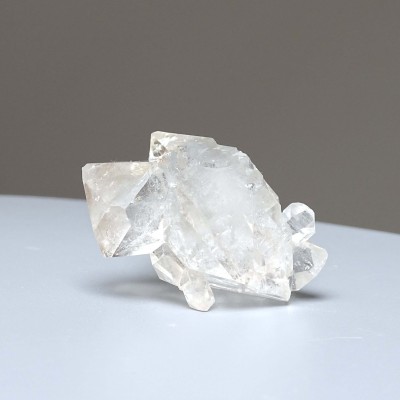
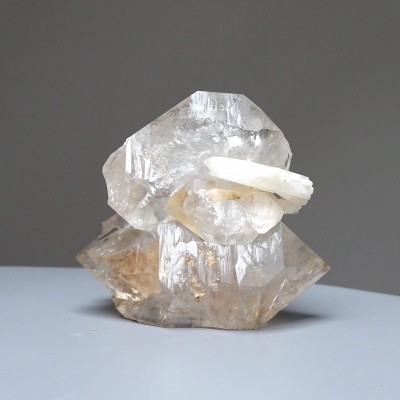
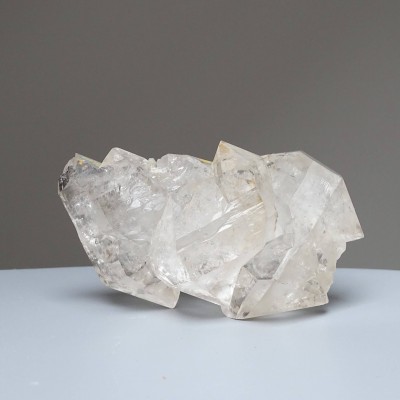
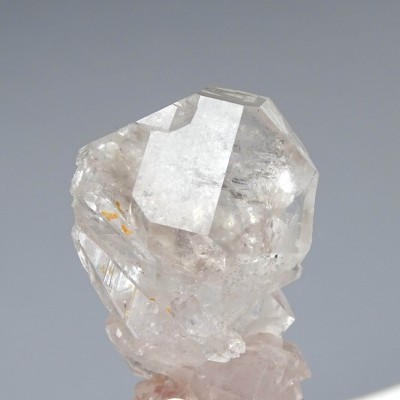
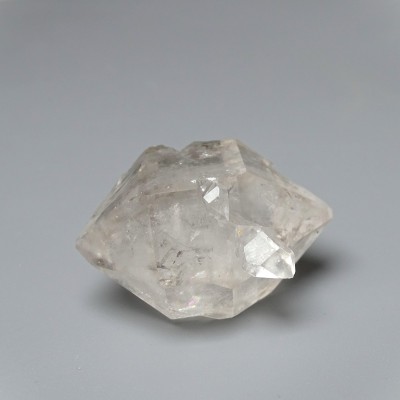
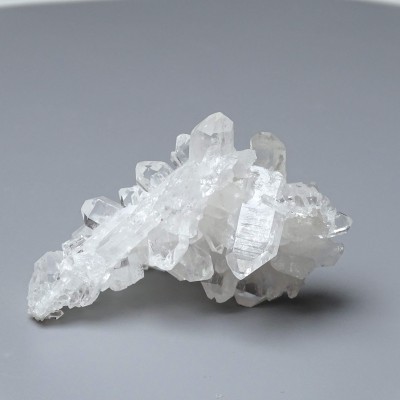
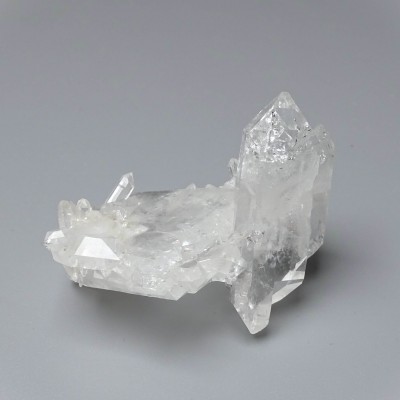
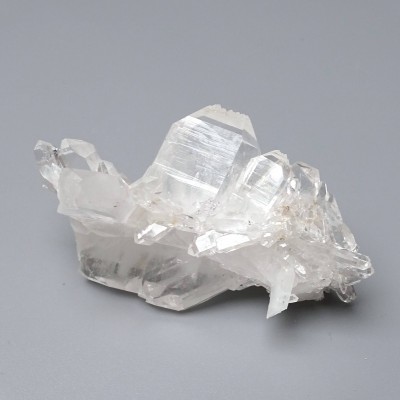
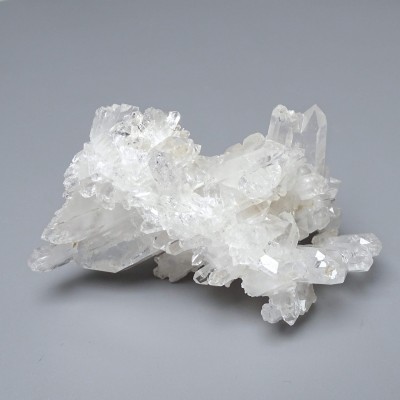
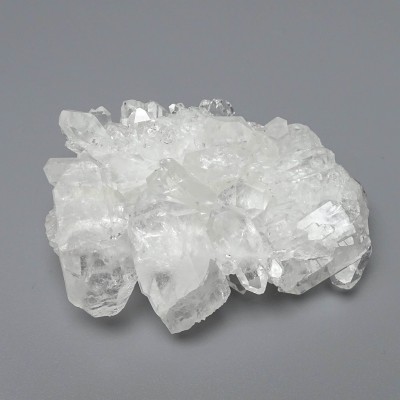
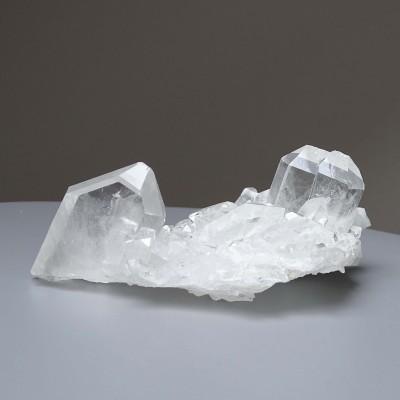
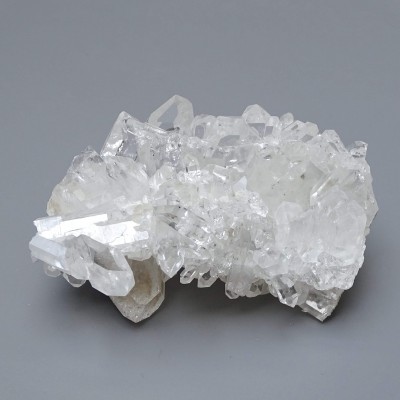
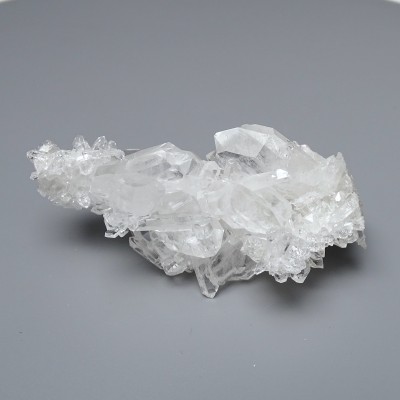
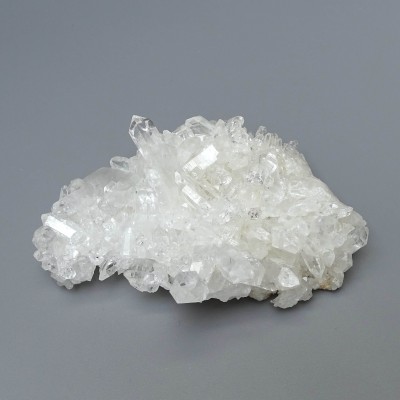
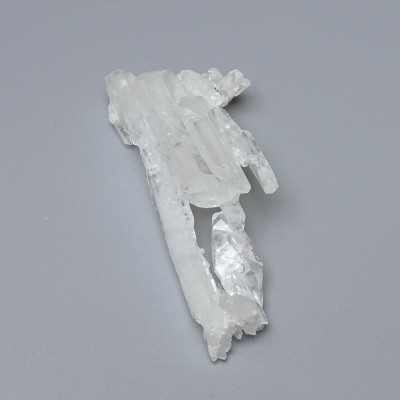
Quartz/crystal - raw
Quartz crystal is a colorless variety of silica (SiO2). It is mostly found in the form of crystals in the hexagonal crystal system with a hardness of 6.5-7.5 Mohs scale. It forms like most of the silicates by crystallizing from the magma. Crystal is a widely used stone in jewelery (mostly vrostlicemi), in laser technology and radiotechnics, for the manufacture of optical instruments and in the glass industry. He is popular as a collection stone. Crystal is a colorless silicon dioxide variety. Crystal is made up of crystals and their complexes. The rarer crystals are "scepter crystals". These are crystals that have been encapsulated by the surrounding impurities during the formation of the crystal at lower levels and stopped its growth. Thus, crystal growth can continue only at a single point, and at the most active peak-crystal point. Thanks to this, a scepter-shaped structure was created. However, this structure is more characteristic of amethyst, which is the reason for stopping the growth of iron, which is an additive in crystal. Crystal also forms hairy, which are crystals of crystal in which the rust vrostlice - according to its color this crystal is called Amor arrows or Venus's hair . The most beautiful hairy people come from Brazil and down in the Urals of Russia. A similar phenomenon occurs in the citrine where the structure is gaseous or water vrostlice and when lit up against direct light they look like "golden rain" .All the most beautiful and interesting body of crystal are so-called phantoms. At some stage of growth, crystal served as a basis for the growth of other minerals. The expanding crystalline crystal then dropped some of the crystals, and others wrapped or absorbed, thereby becoming the crystals part of the crystals, indicating the growth zone of the crystal. Phantoms also occur in other minerals, such as calcite. People in the Neolith used fragments of crystal as sharp arrows and spears. According to ancient legends, the gods drank wine only from crystal cups. That is why, in ancient Rome, crystal jugs and cups were considered to be luxury items, and only the richest and emperor were proud. It is said that Emperor Nero began to lose his power after he broke his collection of crystal glasses in a fit of anger