- There are no more items in your cart
- Shipping
- Total $0.00
- ACTIONS - DISCOUNTS
- Beads from Minerals
- Cut stones - gemstones
- Alexandrite – a gemstone with variable color
- Amethyst cut stone
- Ametrine – a mineral with a combination of purple and yellow colors
- Aquamarine – a gemstone of blue hues
- Chrysoberyl – a gemstone of yellow-green hues
- Citrine
- Emerald – a green beryl gemstone
- Garnet
- Heliodor (golden beryl)
- Kunzite
- Mix other cut stones
- Moonstone – a gemstone with a pearly sheen
- Morganite
- Olivine (peridot)
- Opal
- Ruby
- Sapphire cut stones
- Blue sapphire – a gemstone from Sri Lanka
- Green sapphire – a gemstone from Sri Lanka
- Padparadscha sapphire – a rare gemstone from Sri Lanka
- Pink sapphire – a gemstone from Sri Lanka
- Star sapphire – a sapphire with a star on the surface
- White sapphire – a gemstone from Sri Lanka
- Yellow sapphire – a gemstone from Sri Lanka
- Sinhalite
- Smokyquartz
- Spinel gemstone
- Sunstone
- Tanzanite – a rare gemstone
- Topaz
- Tourmaline
- Zircon
- Exclusive collection crystals and minerals
- Natural raw stones and minerals
- Afghanite
- Agate
- Amber
- Amethyst
- Ametrine
- Andean opal - blue
- Andean opal - pink
- Angelite
- Apatit
- APOPHYLITE, STILBITE, ZEOLITE
- Aquamarine
- Aragonite
- Astrophyllite
- Auralite
- Axinite
- Azurite
- Baryte
- Brazilianite
- Calcite
- Carneol
- Cavansite
- Celestine
- Chalcedony
- Charoite
- Chromdiopside
- Chrysocolla
- CHRYSOCOLLA - MALACHITE - AZURITE
- Chrysopras
- Citrine
- Clinoatacamite
- Cobaltocalcite
- Colombianite
- Copper
- Cyanite
- Danburite
- Diopside
- Dioptase
- Dolomite
- Dumortierite
- Emerald
- Eudialyte
- Fluorite
- Garnet
- Grape chalcedony
- Hackmanite
- Haüyn/Hauyne green (sodalite)
- Haüyn/hauynite blue (sodalite)
- Heliodor (golden beryl)
- Hemimorphite
- Hidennite
- Iolite / cordierite
- Jade
- Jasper
- K2 - Azurite in granite
- Kunzite
- Labradorite
- Lapis lazuli/lazurite
- Larimar
- Lemurian quartz
- Libyan desert glass
- Lodolite (quartz crystal with inclusions)
- Malachite
- Meteorite
- Moldavite
- Moonstone/adularia
- Moqui marbles
- Morganite
- Natural mussels (freshwater mussels)
- Nefrite
- Nuummite
- Obsidian
- Olivine (peridote)
- Opal - dendritic (merlinite)
- Opal Ethiopian
- Pentagonite rare blue mineral
- Petalite
- Phenacite/Phenakite
- Phosphosiderite
- Pietersite
- Pollucite
- Prehnite
- Pyrite
- Quantum quattro
- Quartz - cut or polished
- Quartz/crystal - raw
- Rhodochrosite
- Rhodonite
- Roselite
- Rosequartz
- Rubelit/red tourmaline
- Ruby
- Ruby in zoisite
- Sagenit (Venus hair)
- Sapphire
- Scolecite
- Scoryl
- Selenite
- Seraphinite
- Shungite
- Skapolite
- Smoky quartz
- Smokyquartz with rutile
- Sphalerite
- Spinel
- Sugilite
- Sunstone
- Sunstone with iolite
- Superseven (Super 7)
- Tanzanite gemstone
- Tektite
- Tektite Agni Manitite
- Thulit
- Tiger´s eye
- Titanite/sphene
- Topaz
- Tourmaline
- Triplite
- Tugtupit
- Turquoise
- Vanadinite
- Vesuvianite (Idokras)
- Zircon
- Original handmade mineral jewelry
- Mineral beads bracelets
- Other jewelry
- Silver and gemstone jewelry
- Abalone/Paua shell
- Aquamarine pendant
- Astrophyllite pendant
- Azurite pendant
- Azurite-malachite-chrysocol
- Black tourmaline (scoryl)
- Cavansite
- Charoite pendant
- Chrysoprase pendant
- Cobaltocalcite pendants
- Dendritic opal
- Ethiopian opal pendant
- Eudialyte pendant
- Kunzite and hiddenite
- Labradorite pendant
- Larimar jewelry
- Malachite jewelry
- Moldavite
- Moonstone jewelry
- Morganite jewelry
- Nuummite
- Obsidian pendants
- Olivine/Peridot
- Pietersite jewelry
- Quantum Quattro jewelry
- Rhodochrosite
- Ruby
- Sagenit
- Seraphinite jewelry
- Sugilite
- Sunstone jewelry
- Turquoise jewelry
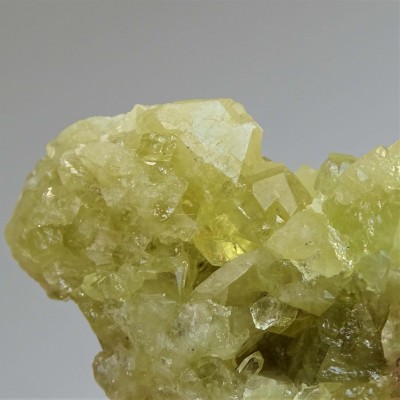
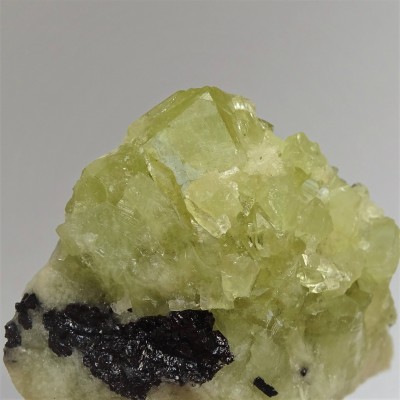
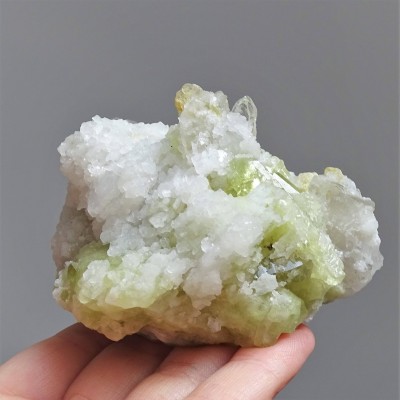
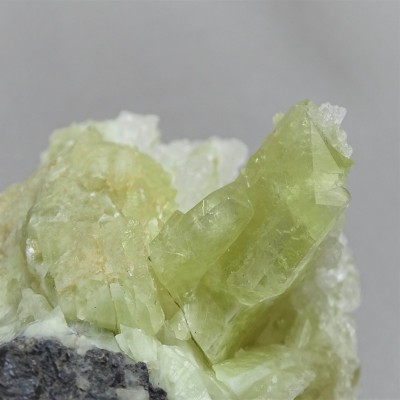
Brazilianite
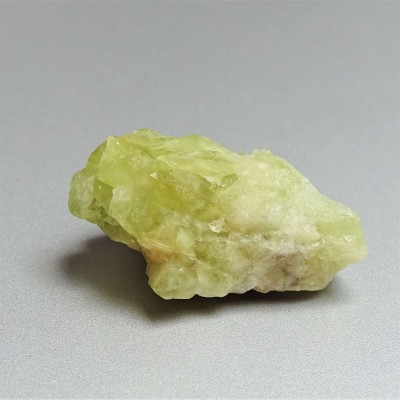
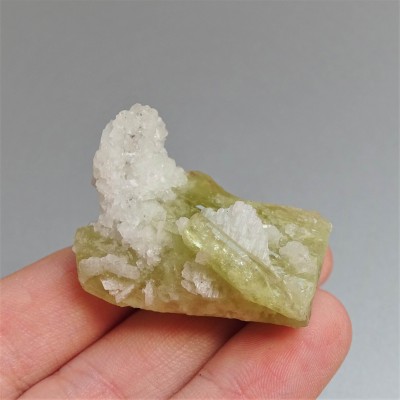
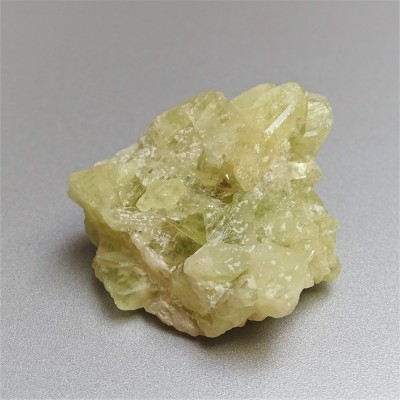
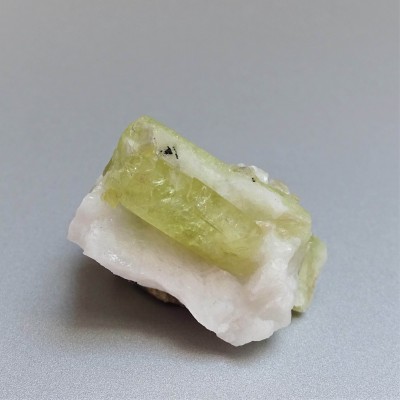
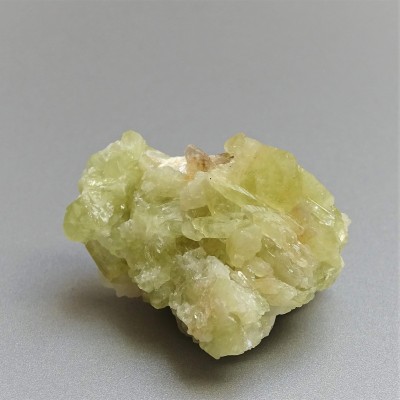
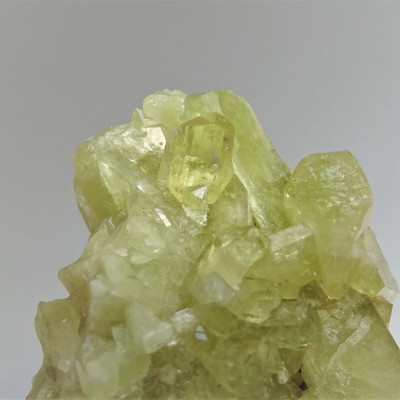
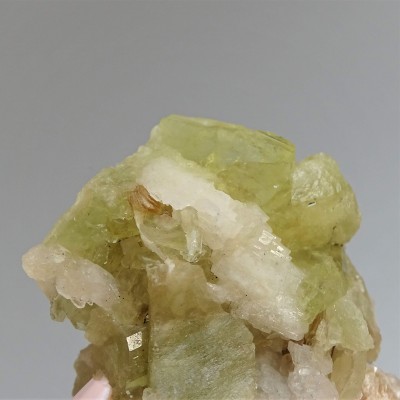
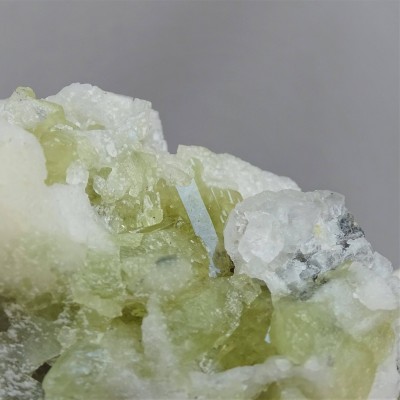
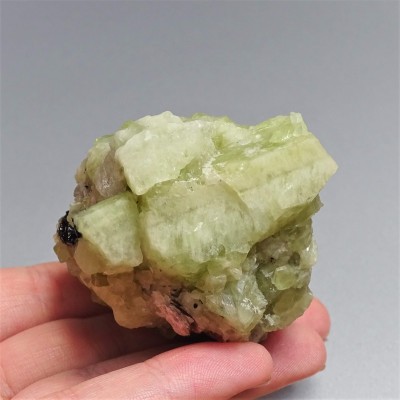
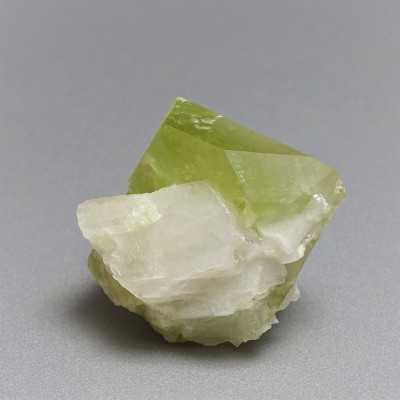
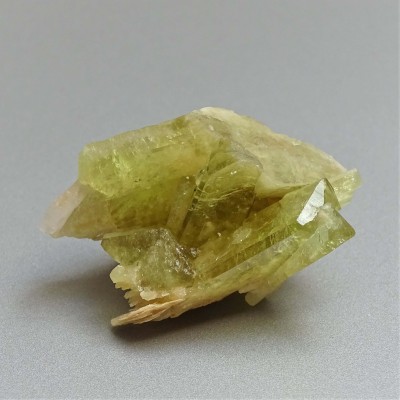
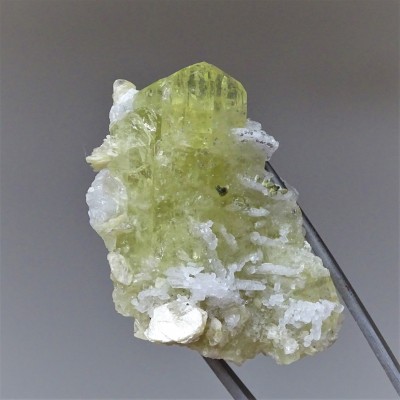
Brazilianite, named after its country of origin, Brazil, is certainly not a commonly available mineral. It is a typically yellow-green phosphate mineral that is most commonly found in phosphate-rich pegmatites. It occurs as perfect crystals grouped in druses, in pegmatites, and is often of gem quality. Brazilianite has a hardness of 5.5 on the Mohs scale. Brazilianite ranges in color from dark yellow-green to pale yellow. Brazilianite begins to lose its color when heated to 200 °C and becomes colorless when heated to 300 °C.
Brazilianite – Yellow-Green Phosphate
Brazilianite is a sodium aluminum phosphate with the chemical formula NaAl₃(PO₄)₂(OH)₄. It is typically characterized by a yellow-green to honey-yellow color, which makes it attractive to mineral collectors.
Appearance and properties of brazilianite
Brazilianite most often forms prismatic crystals with a pronounced glassy luster. It has a hardness of 5.5 on the Mohs scale and is translucent to transparent. Aesthetic specimens are highly valued by collectors.
Brazilianite deposits
Brazilianite was first discovered in Brazil, from which it got its name. To this day, Brazil (Minas Gerais) is one of the most important sources of this mineral. Other deposits are located in the USA (New Hampshire), Canada and Australia.
History and uses of brazilianite
Brazilianite was described in 1944 and soon became a sought-after collector's mineral. Due to its color, it is sometimes also used as a gemstone, although its use in jewelry is limited.
You always buy the mineral shown in the photo. Minerals-stones.com - a wide range of minerals, crystals, stones, druses, tektites, jewelry and gemstones from around the world. Reliable, verified e-shop.