COOKIES SETTINGS

Permission for optimal functioning of the e-shop
We use cookies to enable you to comfortably browse the website and, thanks to the analysis of website traffic, to constantly improve its functions, performance and usability.
To achieve this, we need your consent to the use of all cookies, which you give us by clicking on the "Allow all" button.

More information
Accept all cookies Personalise
Accept selected cookies
Worldwide shipping from 10 EUR.
Kunzite
Kunzite – natural crystals | Minerals-stones

Kunzite

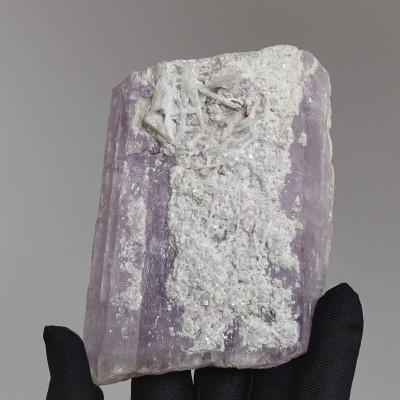
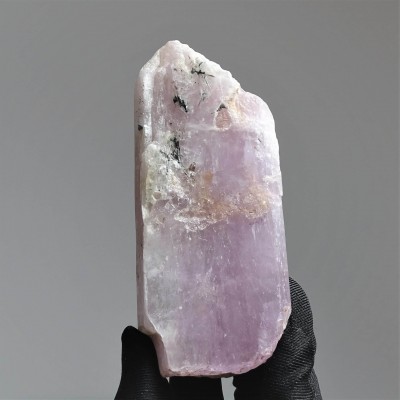
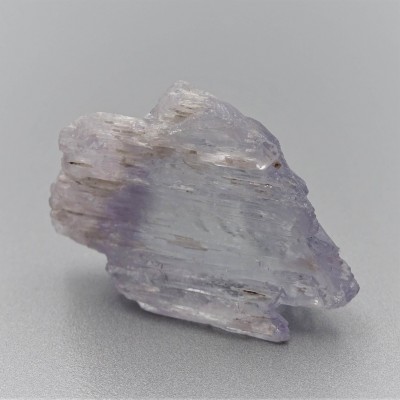
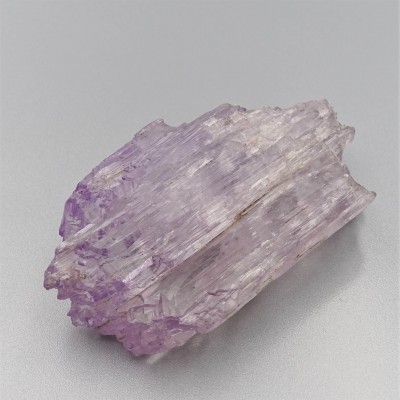
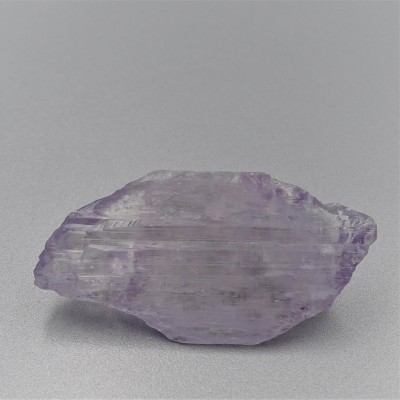
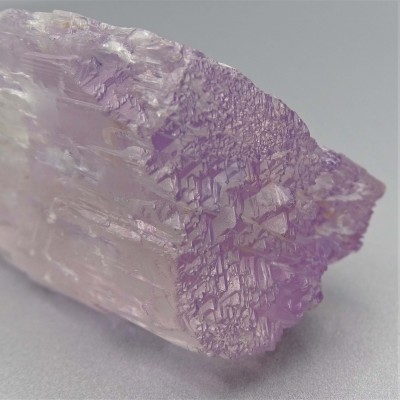
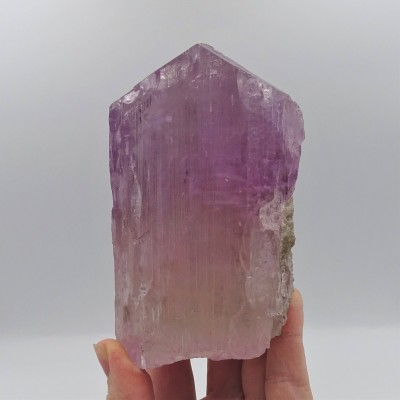
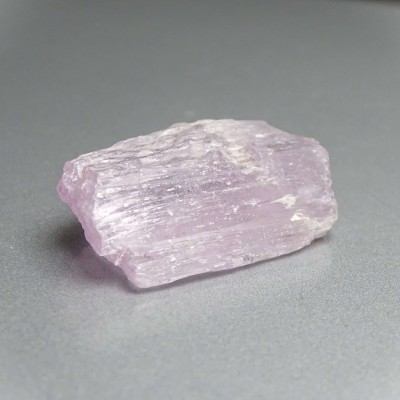
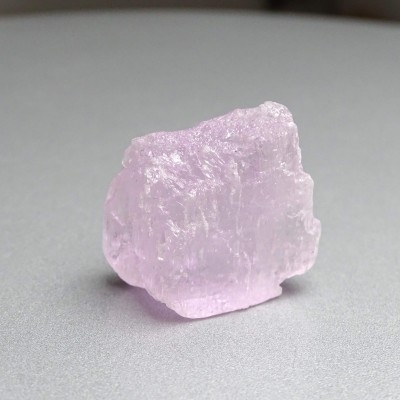
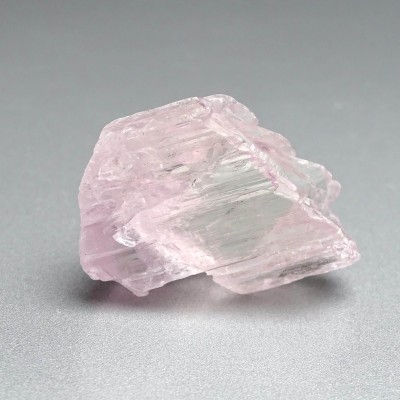
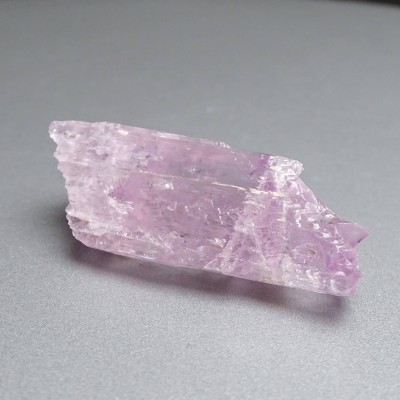
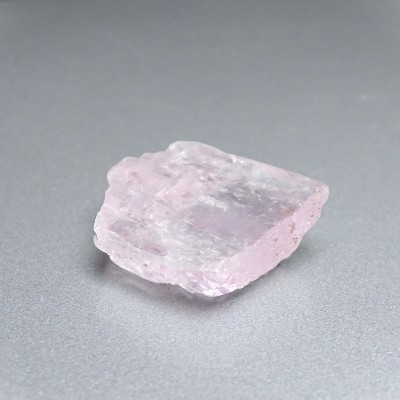
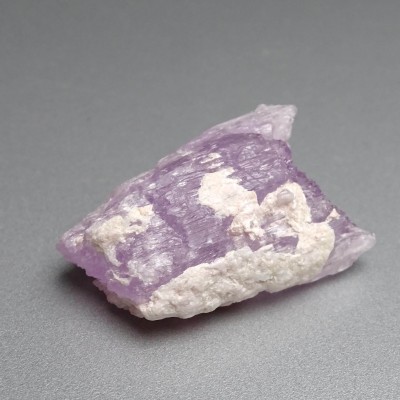
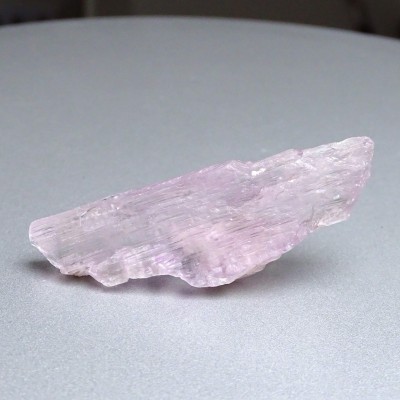
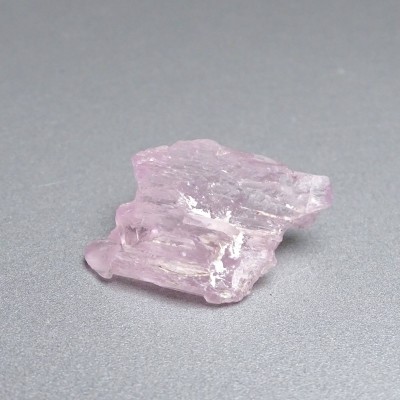
Kunzite – a pink variety of spodumene
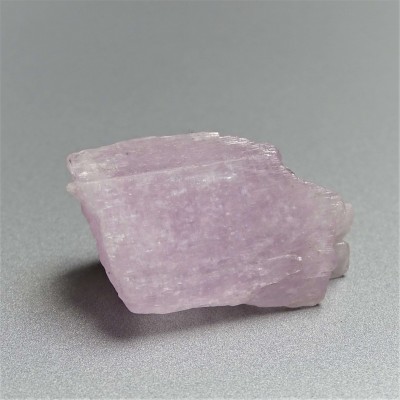
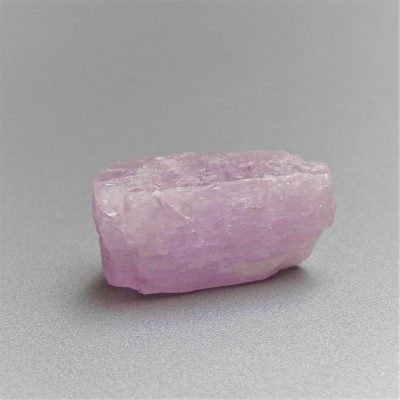
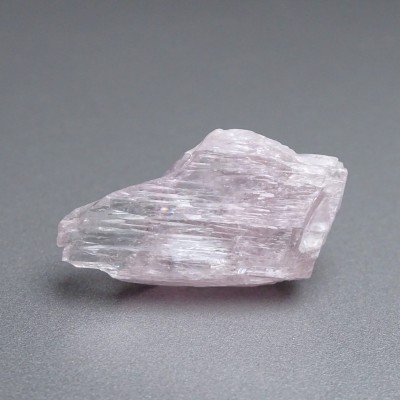
Kunzite is a pink to purple variety of the mineral spodumene (LiAlSi₂O₆). It is named after mineralogist George F. Kunz, who described it in the early 20th century. The color of kunzite is caused by traces of manganese, which makes this mineral highly valued among collectors and jewelers.

Kunzite deposits
The most famous deposits are in Afghanistan and Pakistan, where crystals with a soft pink to deep purple hue come from. Kunzite is also mined in Brazil, the USA and Madagascar.

History and uses of kunzite
Kunzite was discovered relatively recently, but quickly became a popular collector's mineral. Due to its color and transparency, it is also used as a gemstone for jewelry, although its fragility makes it difficult to process.

Kunzite Identification

Chemical Formula: LiAlSi₂O₆

Color: pink, purple

Crystal System: monoclinic

Hardness: 6.5 – 7 (Mohs scale)

Luster: vitreous

Density: 3.1 – 3.2 g/cm³

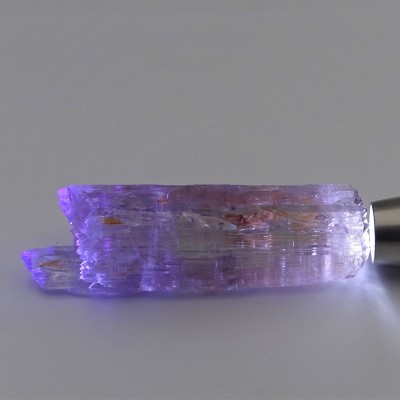
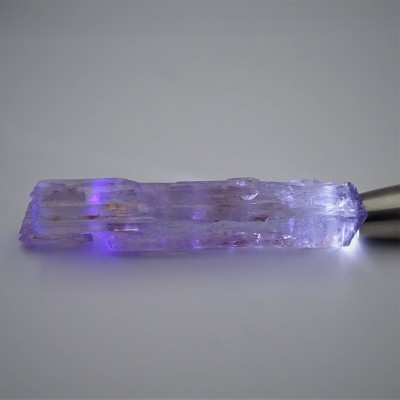
Fluorescence: may fluoresce orange or pink under UV light

Kunzite (like Hiddenite) is a variant of the mineral Spodumene.
Kunzite was discovered in 1902 and was named after the chief jeweler of Tiffany & Co - George Frederick Kunz.
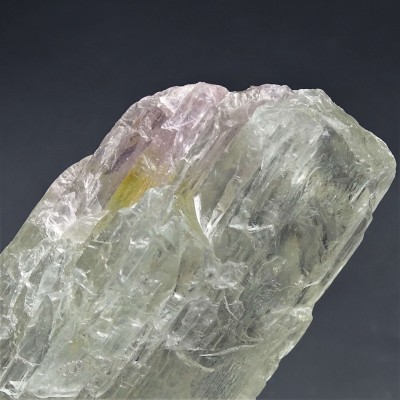
It is most often found in shades of pale pink, but more vibrant colors are also possible and can reach rare shades of vivid purple to violet. It is colored this way due to the content of small particles of manganese. When exposed to intense light, the color may fade over time, so it is better to protect both jewelry and crystals from light and store them in a case or box. And that is why, unfortunately, it is also often heated to obtain a brighter color. Kunzite is pleochroic, which means that it can change color depending on the angle from which you look at it.
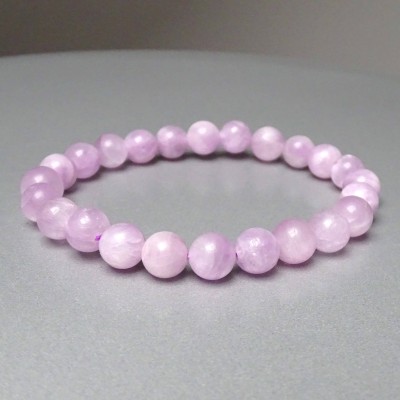
Kunzite is classified as a precious stone - it is widely used in jewelry and jewelry making.

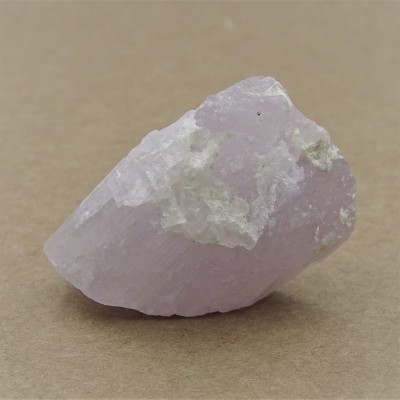
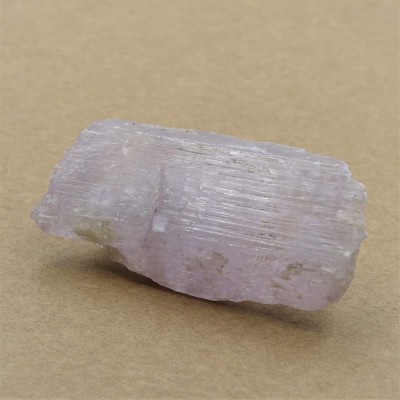
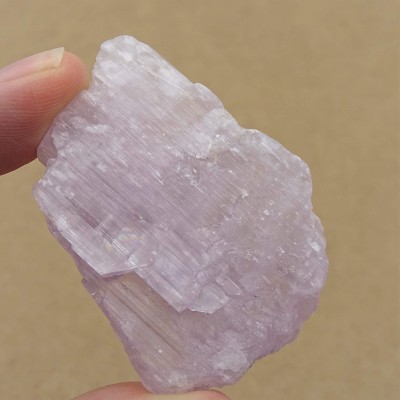
You always buy the mineral shown in the photo. Minerals-stones - a wide range of minerals, crystals, stones, tektites, jewelry and gemstones from around the world. Reliable verified e-shop.

Kunzit (as well as Hiddenit) is a variant of Spodumen mineral.
Kunzit was discovered in 1902, and was named after Tiffany & Co's main jeweler - George Frederick Kunz.
Most often it occurs in shades of light pink, but more vivid colors are possible and can achieve rare shades of vivid purple to purple. This is due to the content of small particles of manganese. When exposed to intense light, the color may fade over time, so it is better to protect both jewelry and crystals from light and store them in a case or box. And so, unfortunately, it is very often warming up to get a brighter color. Kunzite is pleochroic, which means it can change color by the angle you look at it.
Kunzit is one of the precious stones - it is widely used in jewelry and jewelery. Its hardness is 6.5 - 7 Mohs scale.

There are 31 products.
Showing 1-31 of 31 item(s)