- There are no more items in your cart
- Shipping
- Total $0.00
- ACTIONS - DISCOUNTS
- Beads from Minerals
- Cut stones - gemstones
- Alexandrite – a gemstone with variable color
- Amethyst cut stone
- Ametrine – a mineral with a combination of purple and yellow colors
- Aquamarine – a gemstone of blue hues
- Chrysoberyl – a gemstone of yellow-green hues
- Citrine
- Emerald – a green beryl gemstone
- Garnet
- Heliodor (golden beryl)
- Kunzite
- Mix other cut stones
- Moonstone – a gemstone with a pearly sheen
- Morganite
- Olivine (peridot)
- Opal
- Ruby
- Sapphire cut stones
- Blue sapphire – a gemstone from Sri Lanka
- Green sapphire – a gemstone from Sri Lanka
- Padparadscha sapphire – a rare gemstone from Sri Lanka
- Pink sapphire – a gemstone from Sri Lanka
- Star sapphire – a sapphire with a star on the surface
- White sapphire – a gemstone from Sri Lanka
- Yellow sapphire – a gemstone from Sri Lanka
- Sinhalite
- Smokyquartz
- Spinel gemstone
- Sunstone
- Tanzanite – a rare gemstone
- Topaz
- Tourmaline
- Zircon
- Exclusive collection crystals and minerals
- Natural raw stones and minerals
- Afghanite
- Agate
- Amber
- Amethyst
- Ametrine
- Andean opal - blue
- Andean opal - pink
- Angelite
- Apatit
- APOPHYLITE, STILBITE, ZEOLITE
- Aquamarine
- Aragonite
- Astrophyllite
- Auralite
- Axinite
- Azurite
- Baryte
- Brazilianite
- Calcite
- Carneol
- Cavansite
- Celestine
- Chalcedony
- Charoite
- Chromdiopside
- Chrysocolla
- CHRYSOCOLLA - MALACHITE - AZURITE
- Chrysopras
- Citrine
- Clinoatacamite
- Cobaltocalcite
- Colombianite
- Copper
- Cyanite
- Danburite
- Diopside
- Dioptase
- Dolomite
- Dumortierite
- Emerald
- Eudialyte
- Fluorite
- Garnet
- Grape chalcedony
- Hackmanite
- Haüyn/Hauyne green (sodalite)
- Haüyn/hauynite blue (sodalite)
- Heliodor (golden beryl)
- Hemimorphite
- Hidennite
- Iolite / cordierite
- Jade
- Jasper
- K2 - Azurite in granite
- Kunzite
- Labradorite
- Lapis lazuli/lazurite
- Larimar
- Lemurian quartz
- Libyan desert glass
- Lodolite (quartz crystal with inclusions)
- Malachite
- Meteorite
- Moldavite
- Moonstone/adularia
- Moqui marbles
- Morganite
- Natural mussels (freshwater mussels)
- Nefrite
- Nuummite
- Obsidian
- Olivine (peridote)
- Opal - dendritic (merlinite)
- Opal Ethiopian
- Pentagonite rare blue mineral
- Petalite
- Phenacite/Phenakite
- Phosphosiderite
- Pietersite
- Pollucite
- Prehnite
- Pyrite
- Quantum quattro
- Quartz - cut or polished
- Quartz/crystal - raw
- Rhodochrosite
- Rhodonite
- Roselite
- Rosequartz
- Rubelit/red tourmaline
- Ruby
- Ruby in zoisite
- Sagenit (Venus hair)
- Sapphire
- Scolecite
- Scoryl
- Selenite
- Seraphinite
- Shungite
- Skapolite
- Smoky quartz
- Smokyquartz with rutile
- Sphalerite
- Spinel
- Sugilite
- Sunstone
- Sunstone with iolite
- Superseven (Super 7)
- Tanzanite gemstone
- Tektite
- Tektite Agni Manitite
- Thulit
- Tiger´s eye
- Titanite/sphene
- Topaz
- Tourmaline
- Triplite
- Tugtupit
- Turquoise
- Vanadinite
- Vesuvianite (Idokras)
- Zircon
- Original handmade mineral jewelry
- Mineral beads bracelets
- Other jewelry
- Silver and gemstone jewelry
- Abalone/Paua shell
- Aquamarine pendant
- Astrophyllite pendant
- Azurite pendant
- Azurite-malachite-chrysocol
- Black tourmaline (scoryl)
- Cavansite
- Charoite pendant
- Chrysoprase pendant
- Cobaltocalcite pendants
- Dendritic opal
- Ethiopian opal pendant
- Eudialyte pendant
- Kunzite and hiddenite
- Labradorite pendant
- Larimar jewelry
- Malachite jewelry
- Moldavite
- Moonstone jewelry
- Morganite jewelry
- Nuummite
- Obsidian pendants
- Olivine/Peridot
- Pietersite jewelry
- Quantum Quattro jewelry
- Rhodochrosite
- Ruby
- Sagenit
- Seraphinite jewelry
- Sugilite
- Sunstone jewelry
- Turquoise jewelry
Tourmaline
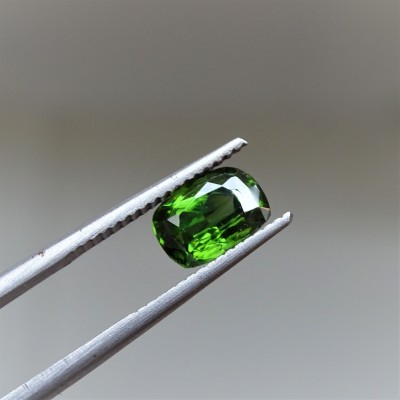
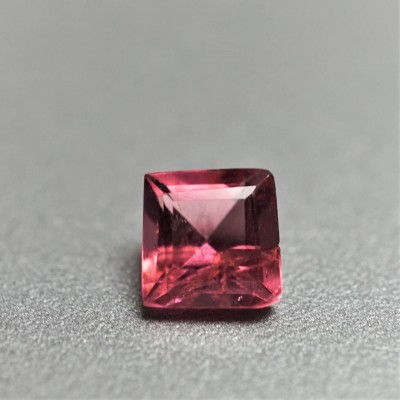
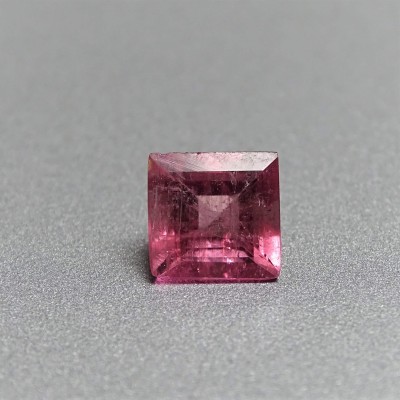
Tourmalines are complex borosilicates of aluminum and many other elements, mainly sodium, iron, magnesium or lithium. In nature, these elements in the crystal structures of tourmalines are represented in a variety of ways. Today the chemical composition distinguish 14 kinds of tourmaline (schorl, dravite, ELBAITE, welcome liddicoatit, buergerit, feruvit, chromdravit, foitit, magnesiofoitit, olenit, povondrait, rossmanit, vanadiumdravit). These are mixed with each other, so the correct assignment of a sample of turmaline to a particular species is usually possible only after a thorough chemical analysis, according to the predominant component. The chemical composition of tourmaline often changed during its growth. Tourmalines commonly have different chemical composition in the middle of the crystal and others at its edges, or differ in chemical composition at the ends of the columnar crystal and in the middle of the column. The most widespread tournaments are scorching, starving and elbait. Perfectly combines the lead with the predator (so-called skoryl-dravitová) and the skull with the elbaite (a series of skoryl-elbaitová).
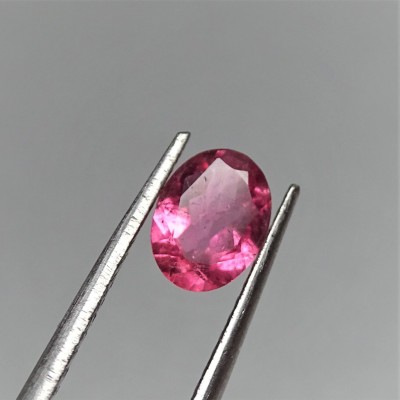
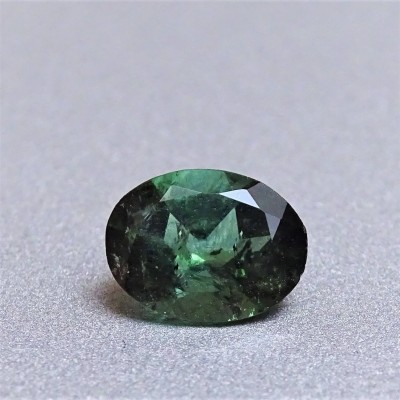
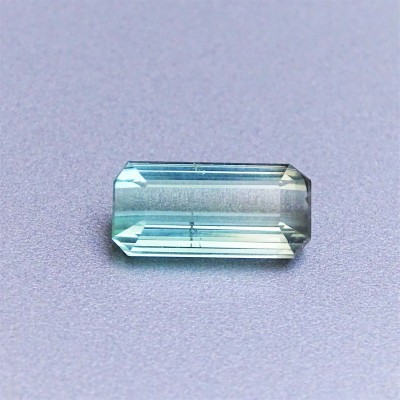
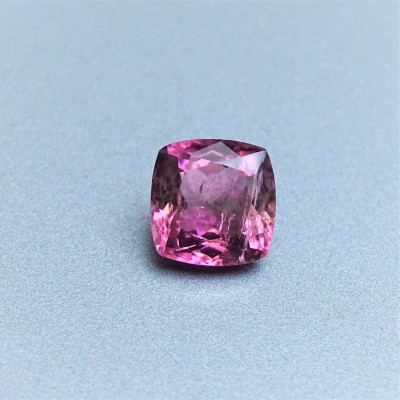
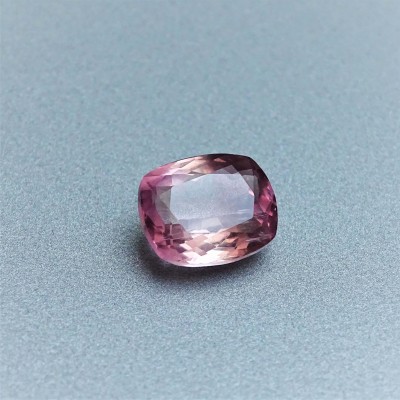
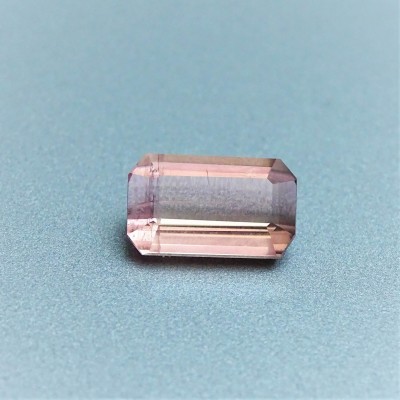
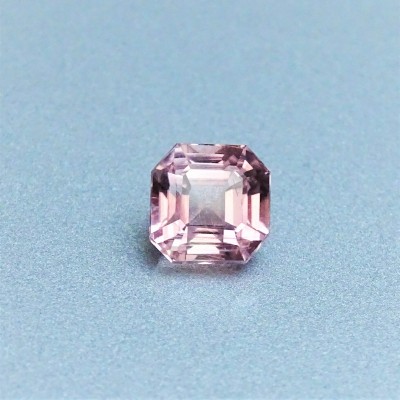
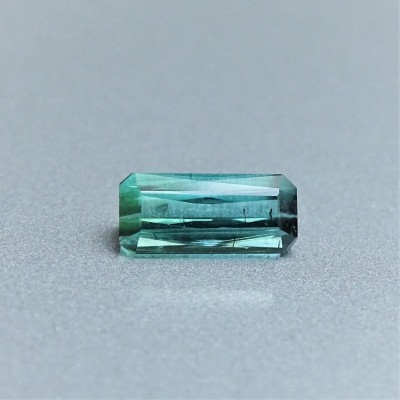
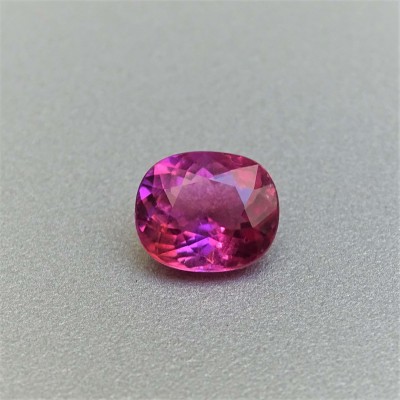
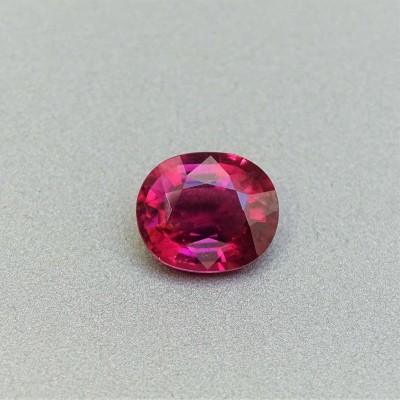
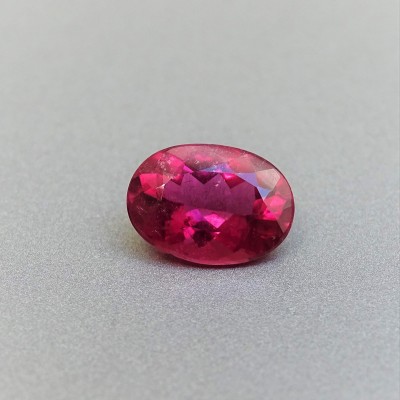
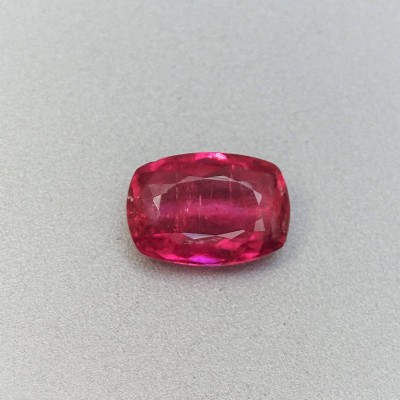
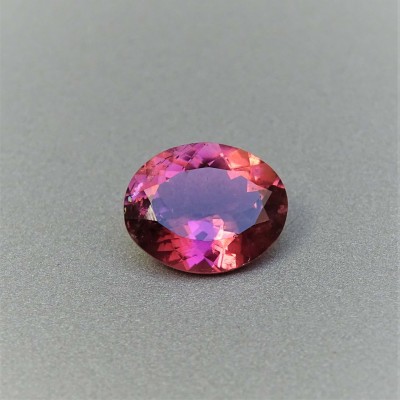
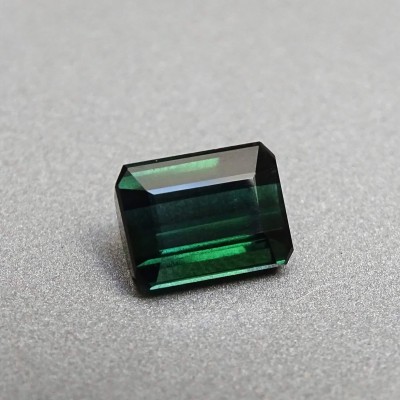
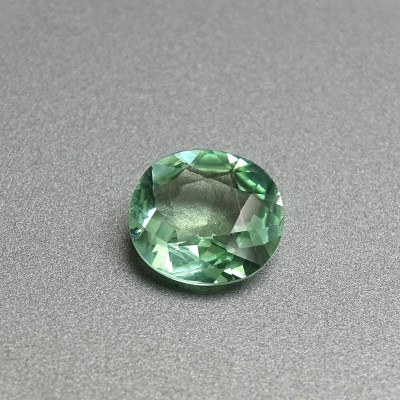
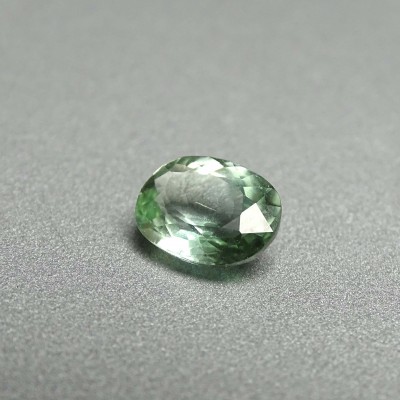
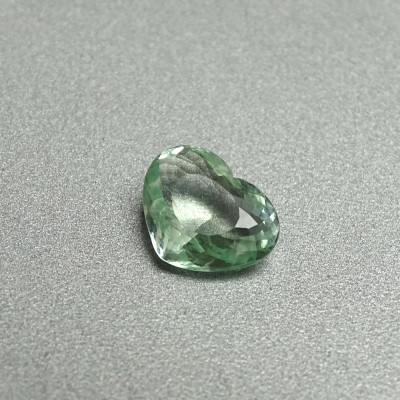
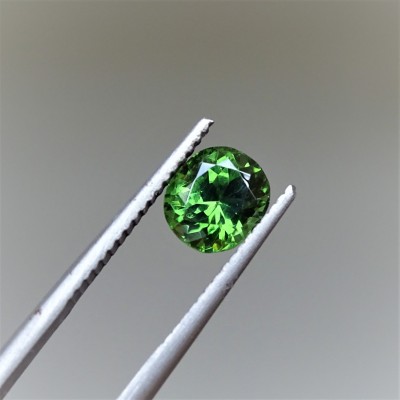
Tourmaline forms acicular and columnar crystals longitudinally grooved in cross-section triangular or hexagonal, or stébelnaté forms, acicular or even felty aggregates. Tourmalines are glass-glossy to matt, on uneven to last-lasting fracture they are vitreous to greasy. They are transparent, translucent to opaque. Most common are black, brown, dark green, dark blue, or pink, red, light green, light blue, etc.