COOKIES SETTINGS

Permission for optimal functioning of the e-shop
We use cookies to enable you to comfortably browse the website and, thanks to the analysis of website traffic, to constantly improve its functions, performance and usability.
To achieve this, we need your consent to the use of all cookies, which you give us by clicking on the "Allow all" button.

More information
Accept all cookies Personalise
Accept selected cookies
Worldwide shipping from 10 EUR.
Aragonite
Aragonite – a natural stone for your collection | Minerals-stones

Aragonite

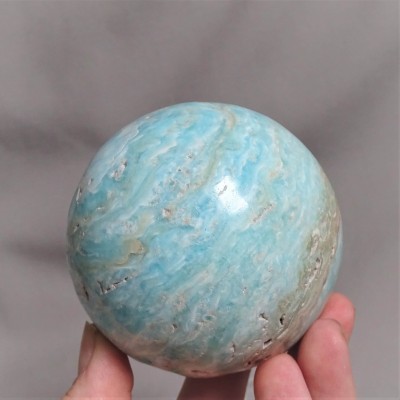
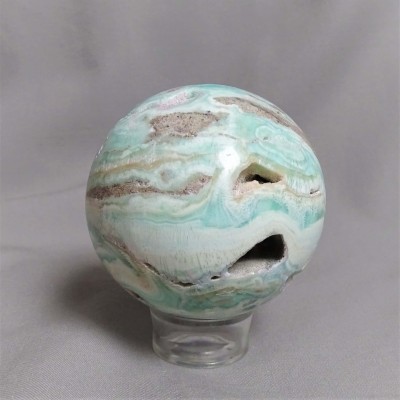
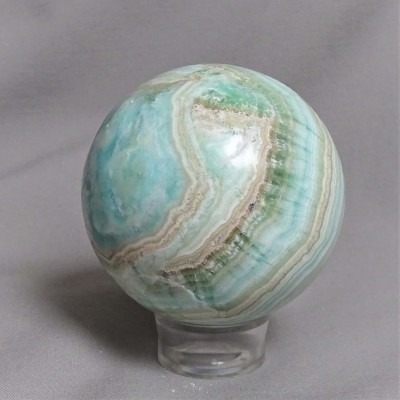
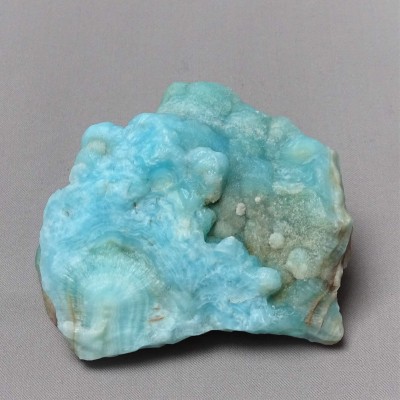
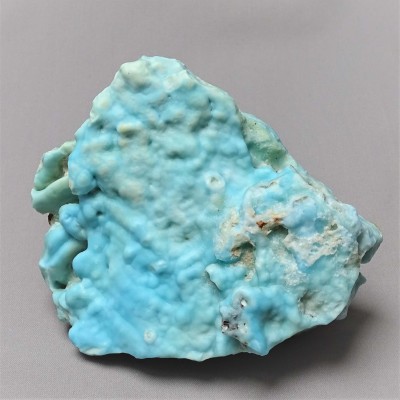
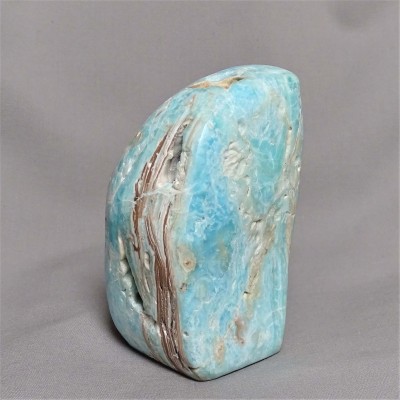
Aragonite (calcium carbonate) is formed under low-temperature and near-surface conditions, is a late mineral of hydrothermal deposits and epithermal veins, is abundant in thermal springs and geysers. It is formed during the decomposition of calcareous basalts and their lavas by autohydration. It is recent in sediments or is present as a component of stalactites. It forms short or long prismatic crystals, columnar or fibrous crystals, forms stele-like, pisolitic (pea rock) or spheroidal (spheroidal) aggregates. Twin growths are known, rarely the growth of three crystals is known, which creates a pseudohexagonal appearance. The colors are white, gray, yellowish-white, greenish, reddish, yellowish-white, bluish, violet, also colorless. It is transparent to translucent, pleochroism is unknown, it is thermoluminescent. White or colorless scratch. Vitreous luster on crystal surfaces, pitchy on fracture surfaces.

Aragonite – a mineral with diverse forms
Aragonite is a calcium carbonate with the chemical formula CaCO₃, which is one of the polymorphs of calcite. It is characterized by a rich variety of forms – from needle-like crystals, through spherical aggregates to stalactites and grape-like formations.

Appearance and properties of aragonite
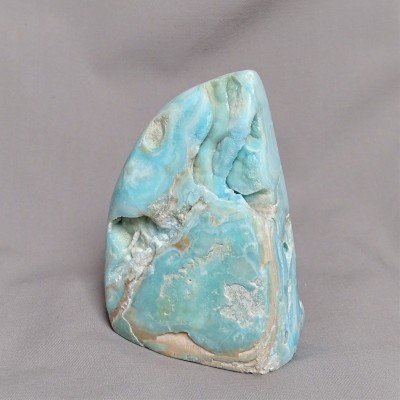
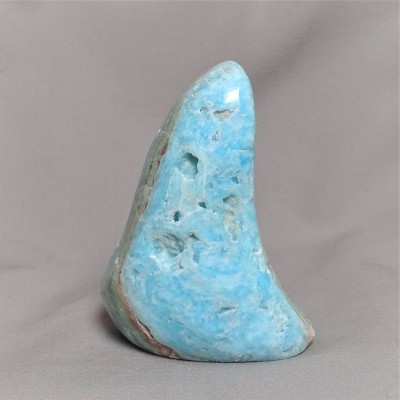
Aragonite occurs in a wide range of colors – white, brown, red, green and blue. It has a hardness of 3.5–4 on the Mohs scale and a glassy to pearly luster. It often forms distinctive radial or ray-like crystalline aggregates.

Aragonite deposits
Significant aragonite deposits are found in China, Morocco, Mexico and Spain. Interesting crystals also come from the Czech Republic, especially from the Podkrkonoší region.

History and uses of aragonite
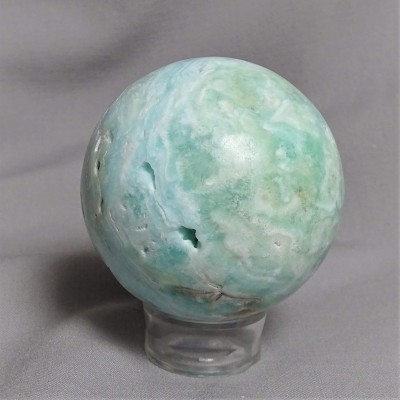
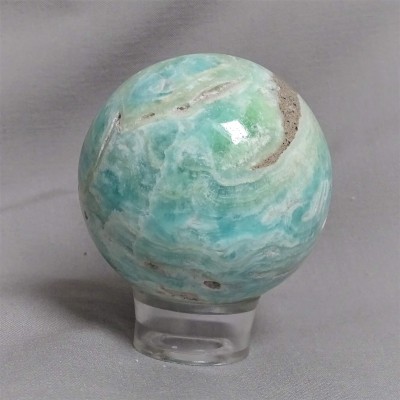
The name aragonite comes from the Spanish province of Aragón, where it was first described. The mineral is popular among collectors and is also used as a decorative stone, especially in the form of polished spheres and crystalline aggregates.

You always buy the mineral shown in the photo. Minerals-stones.com – a wide range of minerals, crystals, stones, druses, tektites, jewelry and gemstones from around the world. Reliable verified e-shop.

There are 12 products.

Showing 1-12 of 12 item(s)