- There are no more items in your cart
- Shipping
- Total $0.00
- ACTIONS - DISCOUNTS
- Beads from Minerals
- Cut stones - gemstones
- Alexandrite – a gemstone with variable color
- Amethyst cut stone
- Ametrine – a mineral with a combination of purple and yellow colors
- Aquamarine – a gemstone of blue hues
- Chrysoberyl – a gemstone of yellow-green hues
- Citrine
- Emerald – a green beryl gemstone
- Garnet
- Heliodor (golden beryl)
- Kunzite
- Mix other cut stones
- Moonstone – a gemstone with a pearly sheen
- Morganite
- Olivine (peridot)
- Opal
- Ruby
- Sapphire cut stones
- Blue sapphire – a gemstone from Sri Lanka
- Green sapphire – a gemstone from Sri Lanka
- Padparadscha sapphire – a rare gemstone from Sri Lanka
- Pink sapphire – a gemstone from Sri Lanka
- Star sapphire – a sapphire with a star on the surface
- White sapphire – a gemstone from Sri Lanka
- Yellow sapphire – a gemstone from Sri Lanka
- Sinhalite
- Smokyquartz
- Spinel gemstone
- Sunstone
- Tanzanite – a rare gemstone
- Topaz
- Tourmaline
- Zircon
- Exclusive collection crystals and minerals
- Natural raw stones and minerals
- Afghanite
- Agate
- Amber
- Amethyst
- Ametrine
- Andean opal - blue
- Andean opal - pink
- Angelite
- Apatit
- APOPHYLITE, STILBITE, ZEOLITE
- Aquamarine
- Aragonite
- Astrophyllite
- Auralite
- Axinite
- Azurite
- Baryte
- Brazilianite
- Calcite
- Carneol
- Cavansite
- Celestine
- Chalcedony
- Charoite
- Chromdiopside
- Chrysocolla
- CHRYSOCOLLA - MALACHITE - AZURITE
- Chrysopras
- Citrine
- Clinoatacamite
- Cobaltocalcite
- Colombianite
- Copper
- Cyanite
- Danburite
- Diopside
- Dioptase
- Dolomite
- Dumortierite
- Emerald
- Eudialyte
- Fluorite
- Garnet
- Grape chalcedony
- Hackmanite
- Haüyn/Hauyne green (sodalite)
- Haüyn/hauynite blue (sodalite)
- Heliodor (golden beryl)
- Hemimorphite
- Hidennite
- Iolite / cordierite
- Jade
- Jasper
- K2 - Azurite in granite
- Kunzite
- Labradorite
- Lapis lazuli/lazurite
- Larimar
- Lemurian quartz
- Libyan desert glass
- Lodolite (quartz crystal with inclusions)
- Malachite
- Meteorite
- Moldavite
- Moonstone/adularia
- Moqui marbles
- Morganite
- Natural mussels (freshwater mussels)
- Nefrite
- Nuummite
- Obsidian
- Olivine (peridote)
- Opal - dendritic (merlinite)
- Opal Ethiopian
- Pentagonite rare blue mineral
- Petalite
- Phenacite/Phenakite
- Phosphosiderite
- Pietersite
- Pollucite
- Prehnite
- Pyrite
- Quantum quattro
- Quartz - cut or polished
- Quartz/crystal - raw
- Rhodochrosite
- Rhodonite
- Roselite
- Rosequartz
- Rubelit/red tourmaline
- Ruby
- Ruby in zoisite
- Sagenit (Venus hair)
- Sapphire
- Scolecite
- Scoryl
- Selenite
- Seraphinite
- Shungite
- Skapolite
- Smoky quartz
- Smokyquartz with rutile
- Sphalerite
- Spinel
- Sugilite
- Sunstone
- Sunstone with iolite
- Superseven (Super 7)
- Tanzanite gemstone
- Tektite
- Tektite Agni Manitite
- Thulit
- Tiger´s eye
- Titanite/sphene
- Topaz
- Tourmaline
- Triplite
- Tugtupit
- Turquoise
- Vanadinite
- Vesuvianite (Idokras)
- Zircon
- Original handmade mineral jewelry
- Mineral beads bracelets
- Other jewelry
- Silver and gemstone jewelry
- Abalone/Paua shell
- Aquamarine pendant
- Astrophyllite pendant
- Azurite pendant
- Azurite-malachite-chrysocol
- Black tourmaline (scoryl)
- Cavansite
- Charoite pendant
- Chrysoprase pendant
- Cobaltocalcite pendants
- Dendritic opal
- Ethiopian opal pendant
- Eudialyte pendant
- Kunzite and hiddenite
- Labradorite pendant
- Larimar jewelry
- Malachite jewelry
- Moldavite
- Moonstone jewelry
- Morganite jewelry
- Nuummite
- Obsidian pendants
- Olivine/Peridot
- Pietersite jewelry
- Quantum Quattro jewelry
- Rhodochrosite
- Ruby
- Sagenit
- Seraphinite jewelry
- Sugilite
- Sunstone jewelry
- Turquoise jewelry
Phenacite/Phenakite
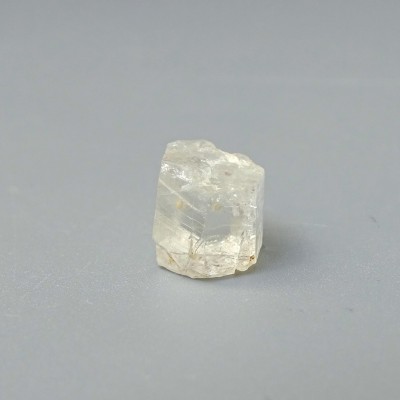
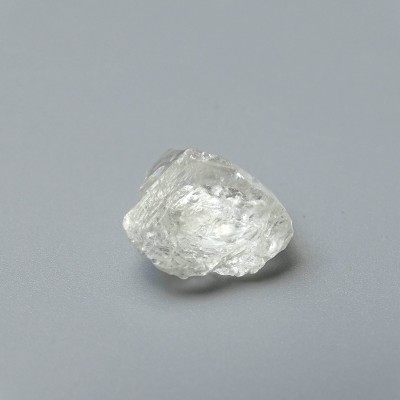
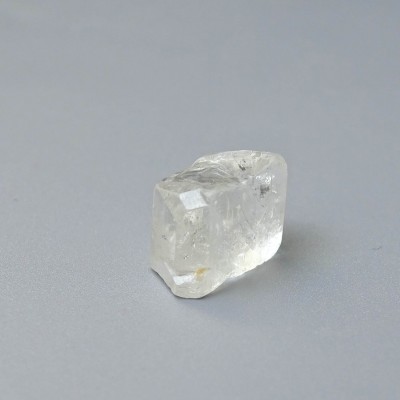
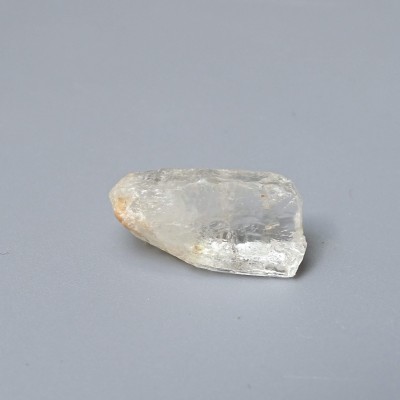
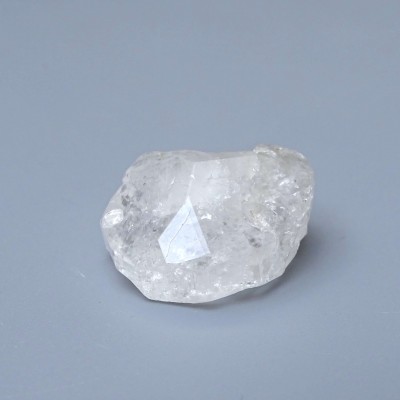
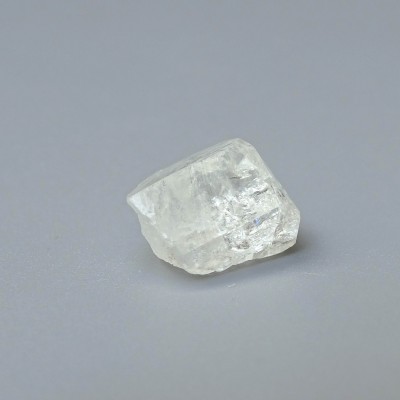
Phenakite (Be₂SiO₄) is a rare beryllium silicate, known for its hardness (8 on the Mohs scale) and exceptional luster, which makes it highly prized by gemologists and collectors. This mineral is usually colorless to slightly yellow, but can also occur in shades of pink, brown, or green, depending on the trace elements present in its structure. Phenakite has a high refractive index (1.650–1.695), which gives it brilliant optical properties, and its luster is often compared to diamond.
This mineral is found in only a few locations around the world. The most important deposits include Madagascar, Brazil, Russia (Ural and Siberia), Myanmar, and Colorado in the USA. It is from these areas that the highest quality phenakites come, which are sought after for their aesthetic and collector's value.
Phenakite is often used in fine jewelry, although its rarity makes it more of an investment gemstone than a common ornamental stone. Its hardness makes it ideal for everyday wear. Due to its transparency and brilliance, phenakite is often cut into faceted cuts, which make it a luxurious accessory with a stunning appearance.
Explore our collection of rare phenakites, which come from various deposits around the world.
Mineralogical data:
chemical formula: Be₂SiO₄
system: hexagonal
hardness: 7.5–8 (Mohs)
density: 2.96–3.0 g/cm³
luster: vitreous, brilliant
Phenakite from Burma is highly valued by collectors for its purity, aesthetic form and rarity. This mineral is attractive not only for collector's showcases, but also for gem enthusiasts and mineralogical collections.
What is phenakite (phenacite)?
Phenakite is a rare mineral with the chemical composition Be₂SiO₄, known for its high hardness (7.5–8 Mohs) and clear appearance.
Why is phenakite from Burma prized?
Burmese phenakites are among the purest and most aesthetic specimens in the world, making them highly sought-after collector's items.
What is the difference between phenakite and quartz?
Phenakite is rarer, has a higher hardness and a higher refractive index, giving it a more brilliant shine than regular quartz.
Is phenakite also used as a gemstone?
Yes, clear crystals of phenakite are cut and used as gemstones, although it is much rarer than diamond or beryl.